Road Signs Explained: Shapes, Colors & Meanings
Last updated:
Road signs are the language of the road, and they make up a large part of every DMV written test. The good news is that the system is logical: once you understand what the shapes and colors mean, you can often identify a sign even before you read the words on it. This guide breaks down the categories you need to know.
The signs you must recognize
Each sign below is drawn to its real shape and color. Study them until you can name the meaning from the shape and color alone:
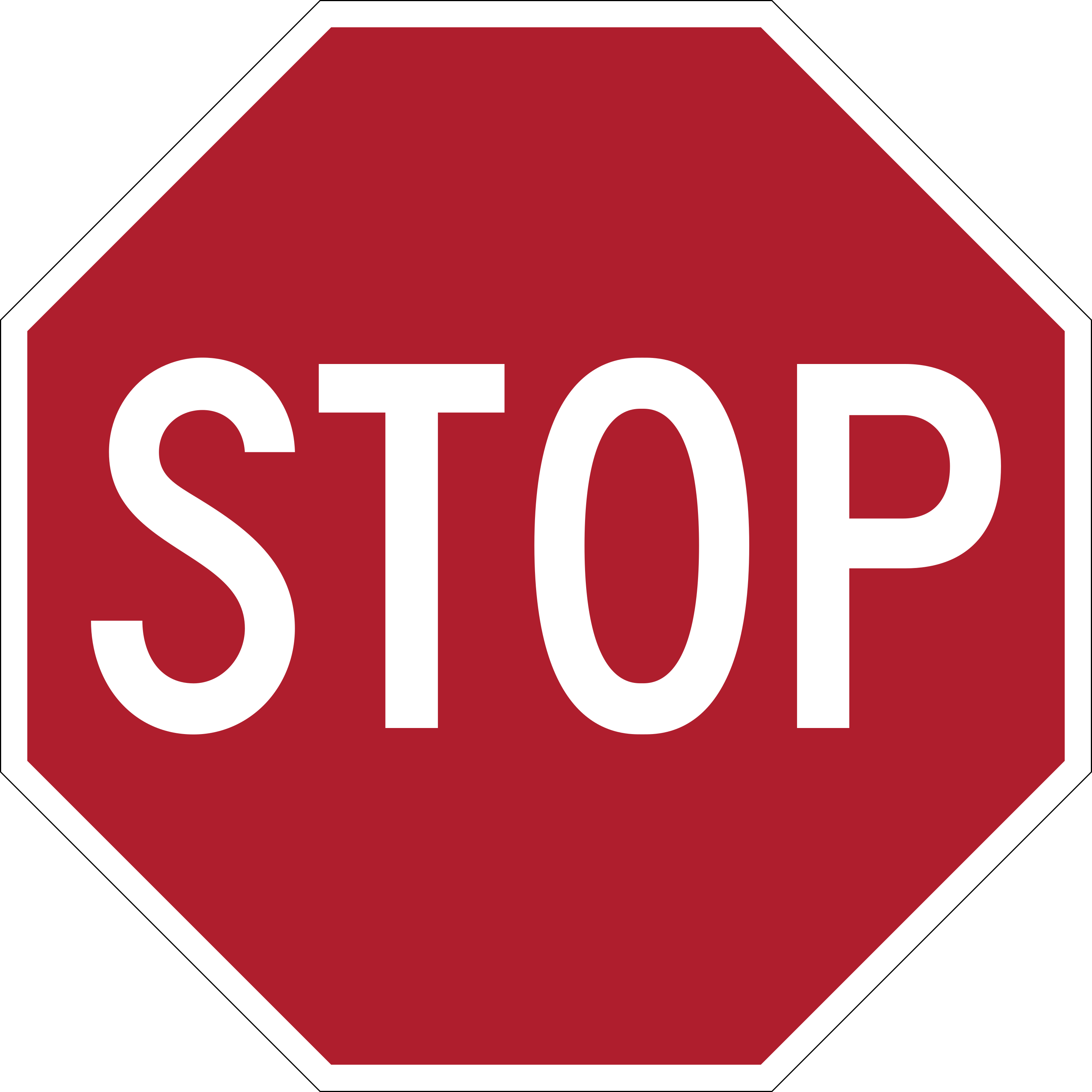
Octagon
A red octagon always means a full stop, the only sign with this shape.
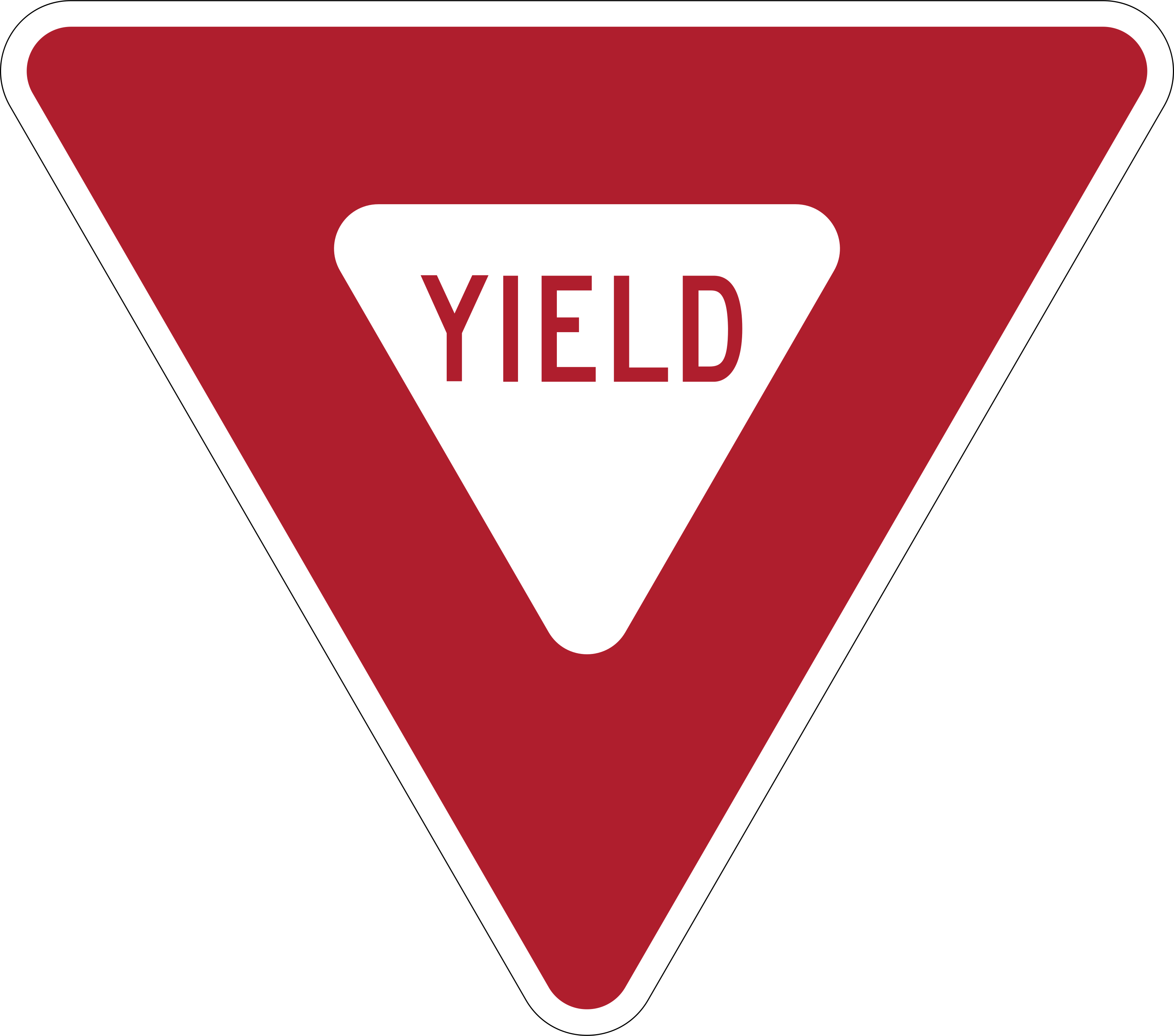
Downward triangle
Slow down and give the right-of-way; stop only if needed.

Yellow diamond
A general warning of a hazard or change in the road ahead.
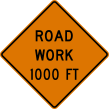
Orange diamond
Work zone ahead. Slow down and watch for crews and equipment.

Pentagon
School zone or school crossing. Expect children and lower limits.
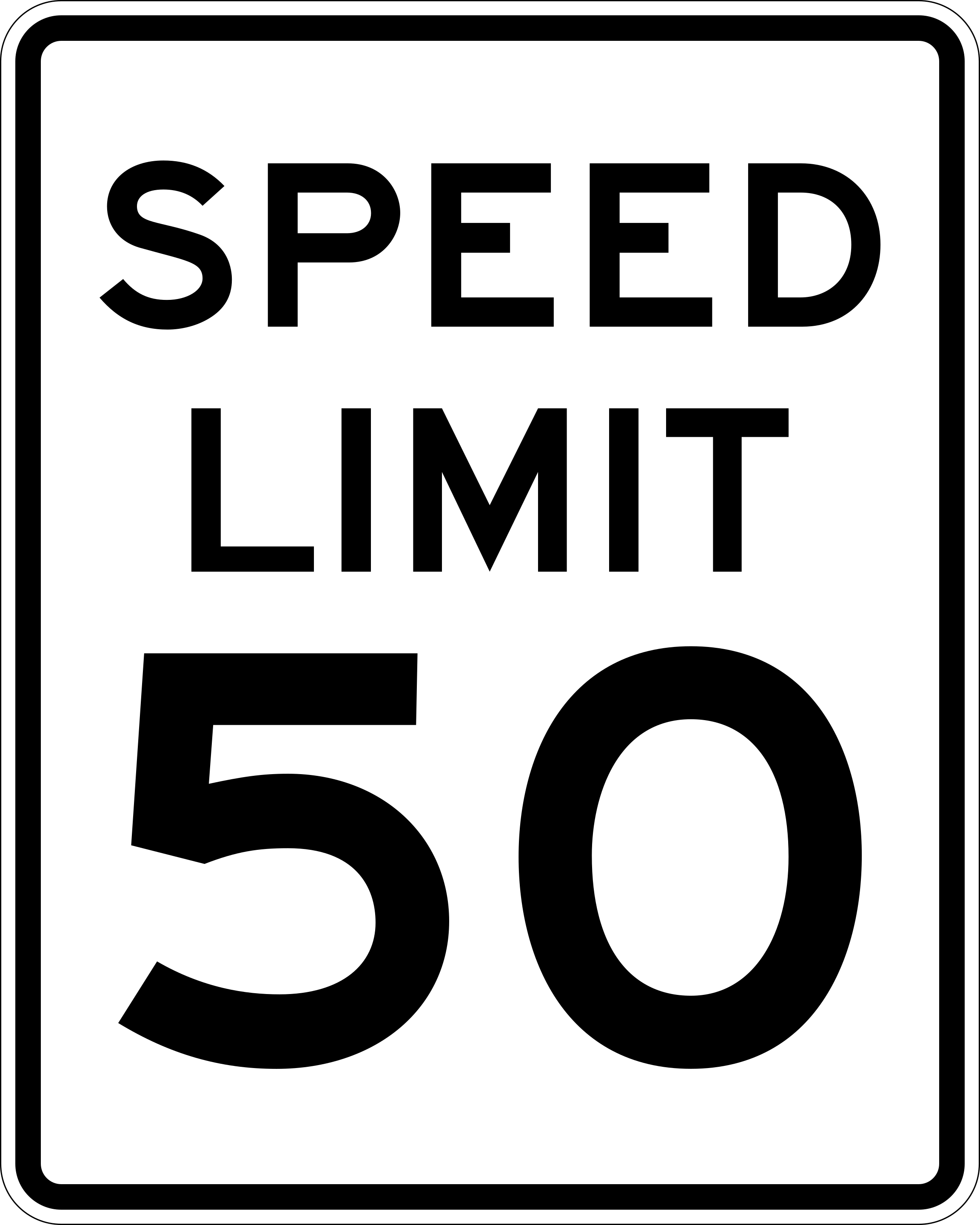
White rectangle
A law you must obey, such as the posted speed limit.
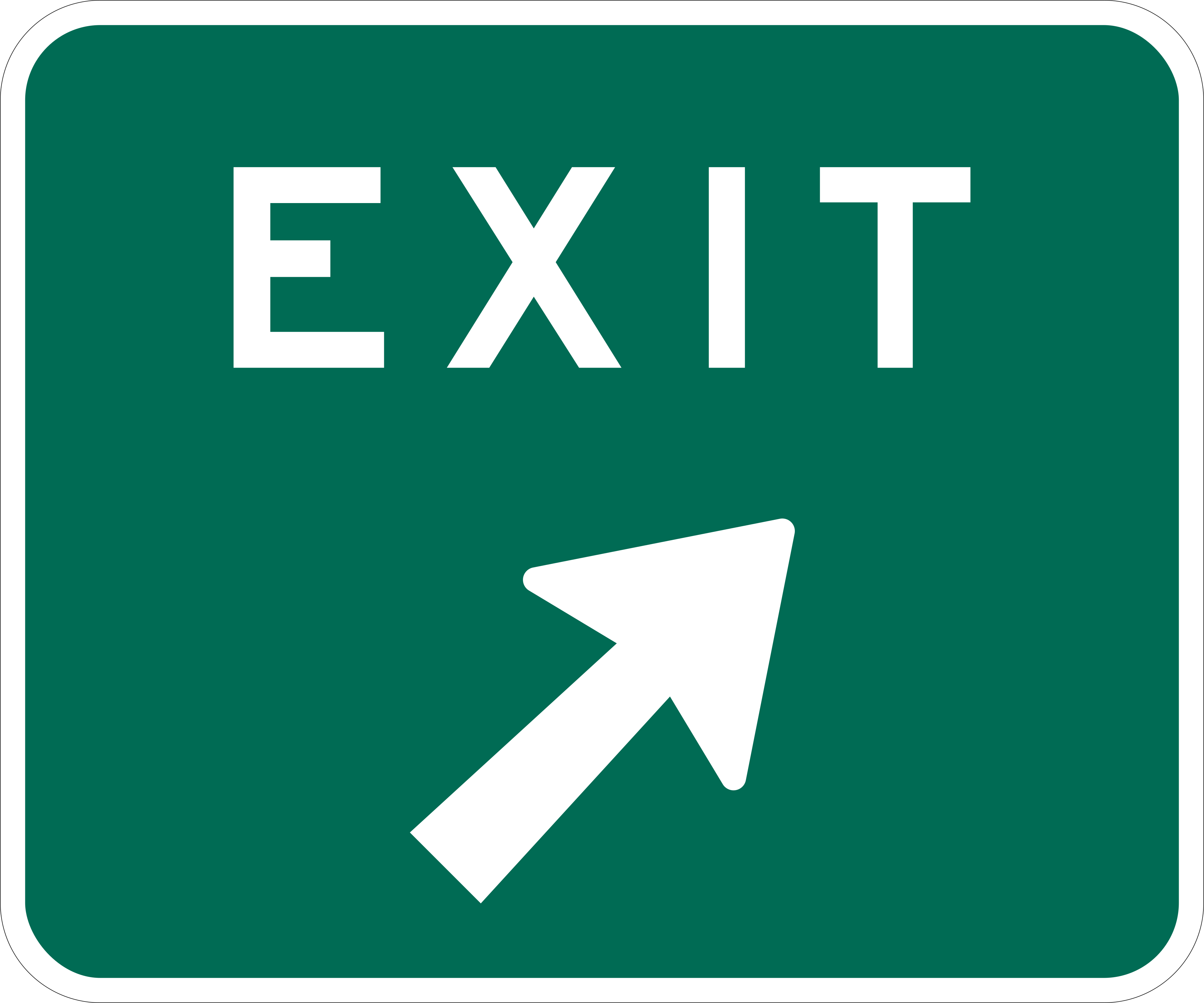
Green rectangle
Guidance and directions, exits, distances, and routes.
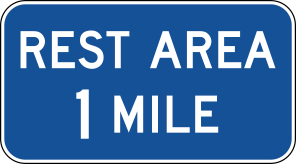
Blue rectangle
Motorist services such as rest areas, gas, food, and hospitals.

Round
A railroad crossing is ahead. Look, listen, and be ready to stop.
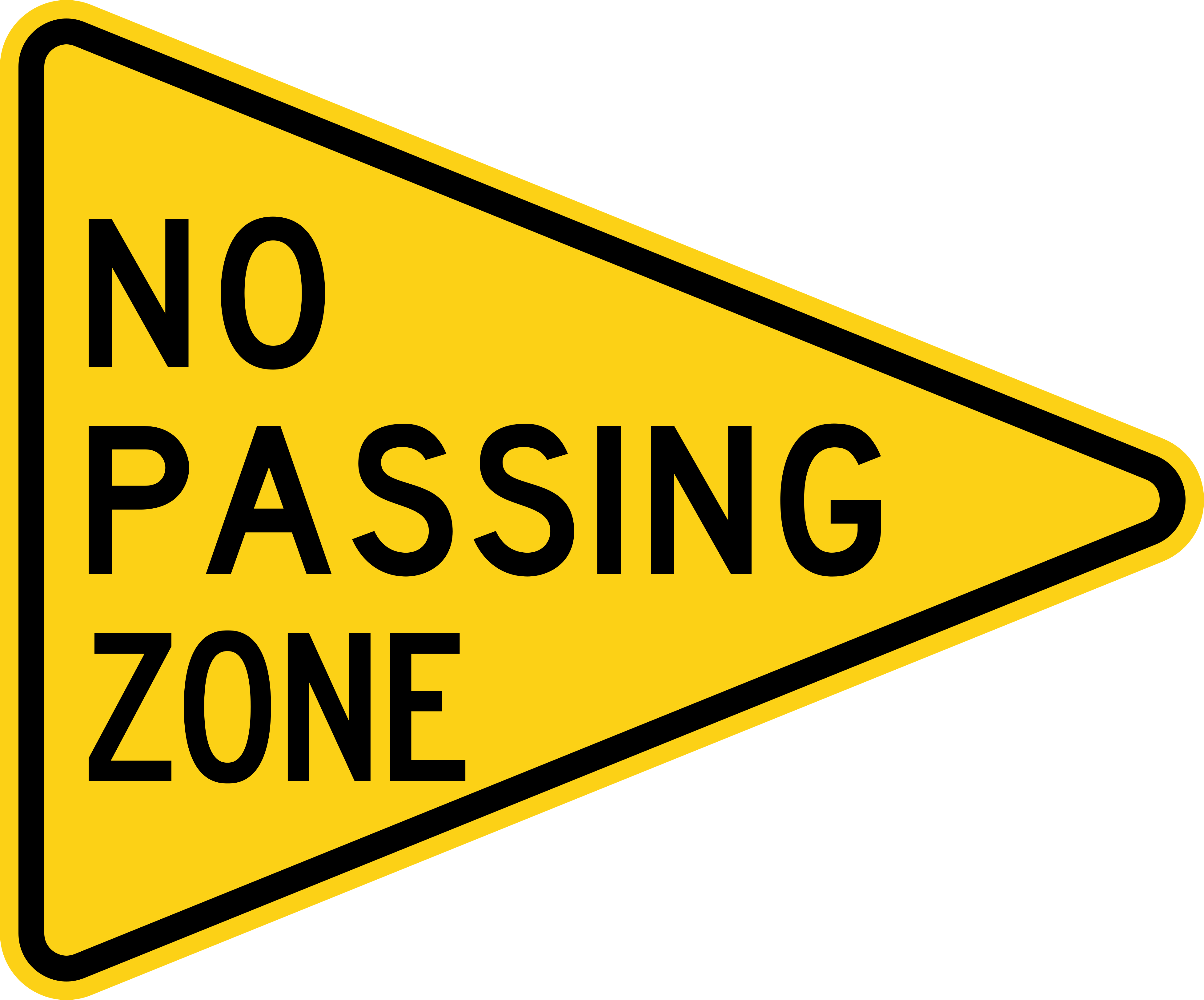
Pennant
No-passing zone, posted on the left side of the road.
Test yourself on road signs
Take the free road signs practice test: 25 or 50 questions, or an exam simulator, all with explanations.
Sign colors and what they mean
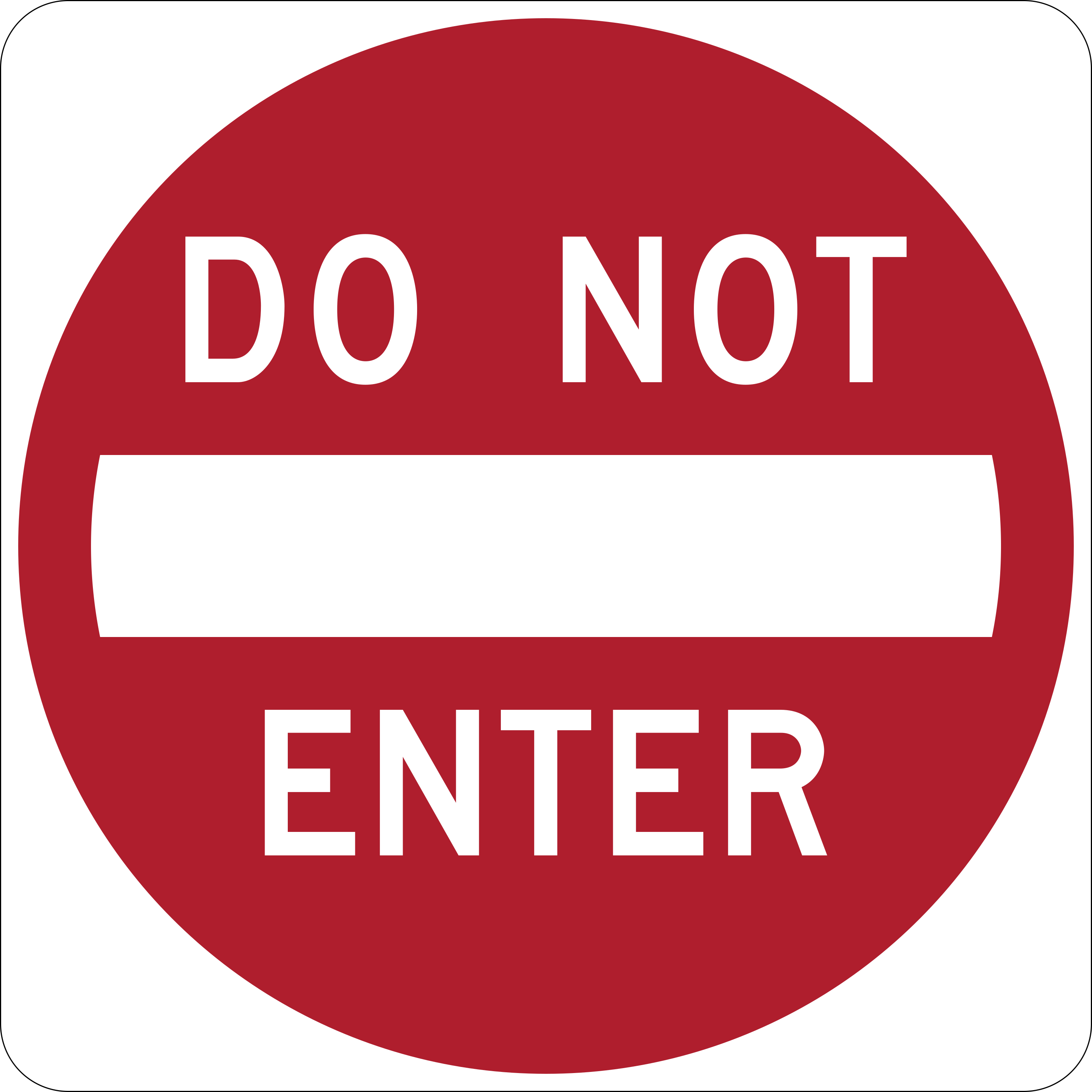
- Red: stop, yield, or prohibition. Think stop signs, yield signs, and “do not enter.”
- Yellow: general warning. A hazard or change in conditions is ahead, such as a curve, intersection, or merge.
- Orange: construction and work zones. Slow down and watch for workers and equipment.
- Green: guidance and directions, like exits, distances, and permitted movements.
- Blue: motorist services such as rest areas, hospitals, gas, and food.
- Brown: parks, recreation areas, and points of cultural interest.
- White: regulatory signs that tell you the law, such as speed limits.
- Fluorescent yellow-green: pedestrian, bicycle, and school-zone warnings.
Sign shapes and what they mean
- Octagon (8 sides): always a stop sign. Come to a complete stop.
- Downward triangle: yield. Slow down and give the right-of-way.
- Diamond: warning of a specific hazard ahead.
- Pennant (horizontal triangle): no-passing zone, posted on the left side.
- Round: railroad crossing ahead.
- Pentagon (5 sides): school zone or school crossing.
- Rectangle (vertical): regulatory sign (a rule you must obey).
- Rectangle (horizontal): guide or direction information.
Signs the test asks about most
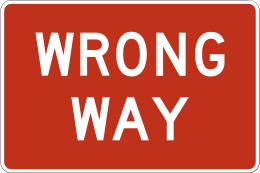
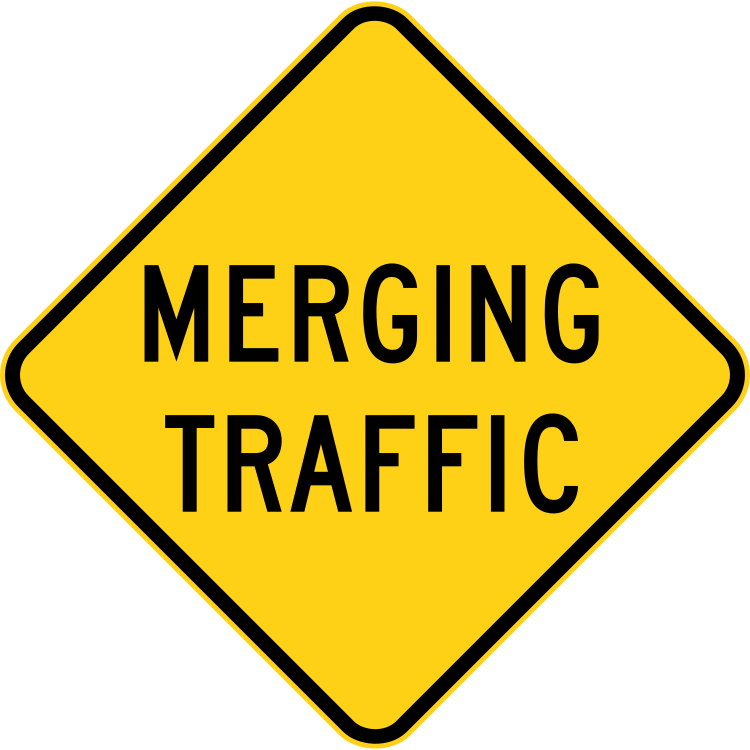
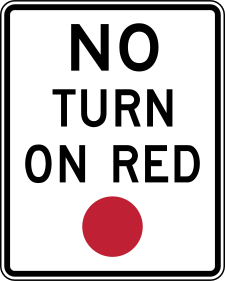
Pay special attention to the signs that appear again and again on written tests: stop and yield, speed limit and the difference between regulatory and advisory speeds, no U-turn and no right turn, one-way and wrong-way, railroad crossings, school zones, lane-use and turn-only arrows, merging and lane-ending warnings, slippery-when-wet, and work-zone signs. When you take a practice test, the Road Signs category on your results page tells you exactly which ones to review.
A quick study checklist
- Learn the eight colors and what each one signals.
- Learn the shapes, especially octagon, triangle, diamond, and pentagon.
- Practice identifying signs by shape and color alone, then confirm the meaning.
- Drill the high-frequency signs listed above until they are automatic.
- Take a timed practice test and review every sign you miss.
Ready to test yourself? Choose your state and start a free practice test, or read our guide on preparing for the written test.
Road sign library
Tap any sign for its full meaning, where you see it, the mistakes the test loves to catch, and related signs.



Road signs practice test by state
Prefer to practice the signs the way your state asks about them? Pick your state for a road sign test that mixes the federal sign artwork with your state’s own questions.
Road sign FAQ
How many road sign questions are on the DMV test?
It varies by state. Some states, like New York, require you to answer a minimum number of sign questions correctly, and others, like Georgia and North Carolina, have a dedicated road-signs section. Expect signs to make up a meaningful share of any written test.
Can I recognize a sign just by its shape and color?
Often, yes. Shape and color are designed so you can identify a sign even from a distance or when it is dirty. An octagon always means stop; a downward triangle always means yield. Learning the shape-and-color system is one of the fastest ways to boost your score.
What color are warning signs?
Most general warning signs are yellow with black symbols. Temporary warning signs in work zones are orange. School-zone and pedestrian-crossing signs are often fluorescent yellow-green.