What to Bring to the DMV for Your Written Test
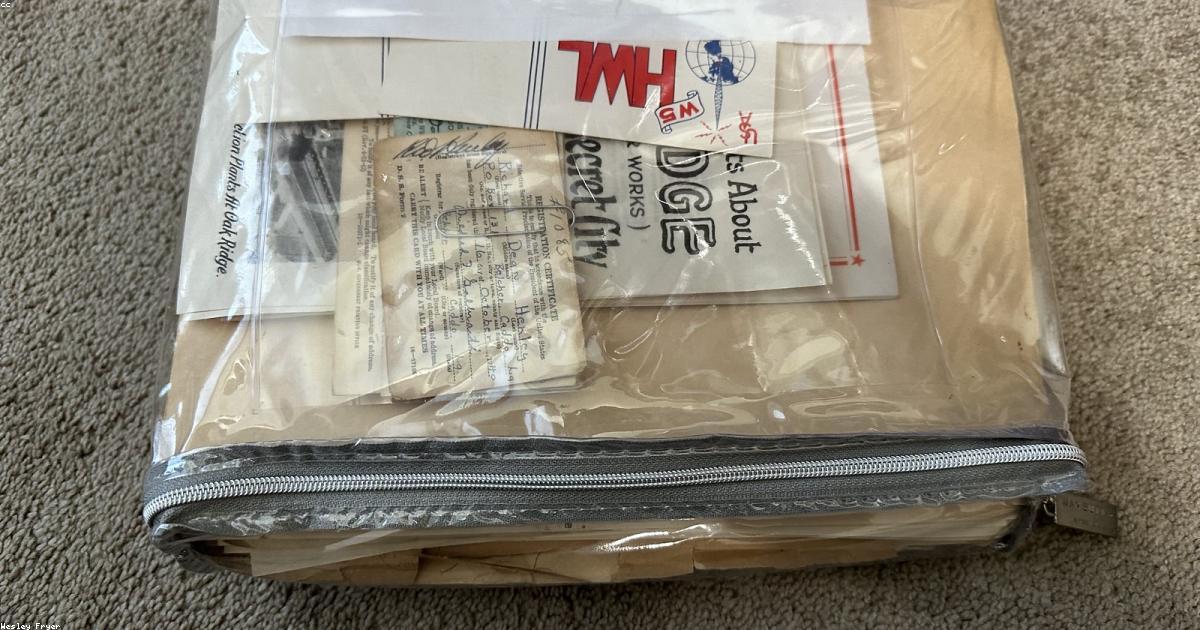
Studying for the written test is only half the battle. The other half is making sure you can actually take it when you arrive. Every year, prepared applicants get turned away simply because they forgot a required document or did not bring a way to pay the fee, and they leave having to book a second trip for a problem that took thirty seconds to prevent.
The frustrating thing about these turn aways is that they have nothing to do with how well you know the rules of the road. You could ace every practice test and still be sent home for a missing utility bill or an expired ID. Treating the paperwork with the same seriousness as the studying is what turns a stressful errand into a quick, successful visit.
This checklist covers what to bring, what to leave at home, and a few small steps that make your DMV visit faster and less stressful. Requirements vary by state, so use this as a starting point and confirm the specifics with your own state agency before you go.
What this guide covers
- Identity and Age Documents
- Proof of Residency and Social Security
- Forms, Fees, and Appointments
- Extra Items for Minors
- Vision Requirements
- What to Leave at Home
- A Few Final Tips for a Smooth Visit
Identity and Age Documents
The DMV needs to verify who you are and how old you are before they will let you test. Bring a primary identity document such as a certified birth certificate or a valid passport. These establish your legal name and date of birth, which are the two facts the office must confirm. Some states accept a permanent resident card or other federally issued identification, so check the accepted list for your state if you do not have a birth certificate or passport.
Bring originals or certified copies rather than plain photocopies, which are often rejected outright. If your legal name has changed, also bring the documentation that proves it, such as a marriage certificate, divorce decree, or court order, so the names on your paperwork form an unbroken chain. A mismatch between the name on your birth certificate and the name on your other documents is one of the most common reasons applicants are turned away.
Proof of Residency and Social Security
Most states ask you to prove that you live in the state and to provide your Social Security number. For residency, bring two documents that show your name and current physical address, such as a utility bill, a bank statement, or a signed lease. Post office boxes are usually not accepted, since the office needs a physical address, and the documents generally need to be recent rather than years old.
For the Social Security requirement, your card is the simplest option, though many states accept alternatives such as a W-2 or a pay stub showing your full number. If you are a young applicant who has never held a job, a parent can often help locate your card or request a replacement in advance. Confirm what your state accepts so you do not have to make a second trip over a document you could have brought the first time.
Forms, Fees, and Appointments
Bring a way to pay the application fee, since most offices charge one. Check ahead of time which payment methods your office accepts, as some do not take credit cards and others do not take cash. Bringing more than one payment option, such as a card and some cash, is a simple way to avoid being caught out by a machine that is down or a policy you did not expect.
If your state lets you fill out the application online in advance, do so to save time at the counter, and print or save the confirmation. Booking an appointment, where available, can dramatically cut your wait compared to walking in, sometimes turning an hours long visit into a quick one. Make sure the items below are in order before you leave the house.
- A completed application form, online or on paper
- An accepted payment method for the fee, ideally more than one
- Your appointment confirmation if you booked one
- A driver education certificate if your state requires it
- Glasses or contacts if you need them for the vision check
Extra Items for Minors
Applicants under eighteen usually need a parent or legal guardian present to sign a consent form in person. The parent may also need to bring their own valid identification, so confirm what is required of them as well, since a missing parent ID stops the whole process even if the teen has everything in order.
Some states require proof of school enrollment or completion of a driver education course before issuing a permit to a minor. Gather these documents early, because requesting a certificate or an enrollment letter from a school can take days or even weeks. Starting that paperwork well before your appointment keeps a slow administrative step from derailing your test date.
Vision Requirements
Most states include a quick vision screening as part of issuing a permit, and you may be tested right there at the counter. If you wear glasses or contact lenses for distance, bring and wear them, because the office will record whether you need corrective lenses to drive and may add a restriction to your permit.
If you already have a recent eye exam, some states accept a vision report signed by an eye doctor in place of the in office screening. This can be helpful if your vision is borderline or if you simply prefer to have your own provider handle it. Either way, do not let the vision check be a surprise, since failing to bring your glasses can stall an otherwise smooth visit.
What to Leave at Home
Just as important as what to bring is what not to bring into the testing area. You will not be allowed to use your phone, notes, smartwatch, or any other reference material during the test, so plan to put them away or leave them in your vehicle. Some offices ask you to store devices in a locker or hand them over before you begin, and being caught with one can void your attempt.
Do not bring friends or family into the testing area unless they are required, such as a parent signing for a minor. Keeping your belongings simple reduces the chance of a misunderstanding and lets you focus entirely on the test. A small, organized folder with only your documents inside is far easier to manage than a crowded bag you have to dig through at the counter.
A Few Final Tips for a Smooth Visit
Arrive early so a long line does not eat into your appointment, and so you have a buffer if anything needs sorting at the counter. Double check the night before that the name and address on every document match, since mismatches are a frequent cause of delays, and lay everything out in one place so you are not searching in the morning.
Finally, give yourself a quick confidence boost by taking one last free state specific practice test on this site the morning of your visit. It settles the nerves and confirms the material is fresh. Walking in calm, organized, and prepared with both your knowledge and your paperwork makes the whole experience far easier than it has any right to be.
FAQ
Can I use my phone during the written test?
No. Phones, notes, smartwatches, and other reference materials are not allowed during the test. Plan to put them away or leave them in your vehicle before you begin.
How many residency documents do I need to bring?
Most states ask for two documents that show your name and current physical address, such as a utility bill, bank statement, or lease. Confirm the exact number with your state agency.
Do I need an appointment to take the written test?
Not always, but where appointments are available they usually cut your wait time significantly. Many states also let you complete the application online in advance to speed things up.
What should a minor bring in addition to the standard documents?
A minor typically needs a parent or legal guardian present to sign a consent form, and some states require proof of school enrollment or a completed driver education course.
Will I have a vision test at the DMV?
Most states include a quick vision screening when issuing a permit. Bring and wear your glasses or contacts if you need them, since the office records whether you require corrective lenses.
What happens if a document name does not match?
A mismatch between names, such as a maiden name on a birth certificate, can get you turned away. Bring proof of the change, like a marriage certificate or court order, so the names connect.
About the author
Achyuth Kumar
Founder & Lead Researcher
Achyuth Kumar Maintainer of dmvmocktest.com in 2025 after watching friends and family struggle to study from dense state driver handbooks. He personally researches each state’s official handbook from the licensing agency, drafts the practice questions in his own words, writes the plain-language explanation that accompanies every answer, and re-checks each bank against the published handbook before it goes live. He has reviewed all 50 US state driver handbooks, the federal CDL manual, and the MUTCD road sign standard, and he updates the content whenever a state revises its rules. He is not a state employee and dmvmocktest.com is independent of every DMV.
Ready to practice?
Take a free DMV mock test for your state with instant answers and explanations, the same exam format the real DMV uses.