How to Apply for the Permit Test and What to Bring

Applying for your first permit test feels bigger than it actually is. The exam is only one piece of the day, and the part that trips most people up is not the questions on the screen but the paperwork at the counter. People show up missing a document, learn they needed an appointment, or find out the office closed early, and they go home without taking the test at all. None of that has anything to do with how well you studied.
This guide breaks the process into two clear halves: how to apply for the permit test, and exactly what to bring so you are not turned away. The specific forms and accepted documents vary by state, so confirm the details with your own motor vehicle agency, but the sequence below holds true almost everywhere and will keep your visit to a single trip.
What this guide covers
- Start With Your State's Requirements
- How to Apply: The Basic Steps
- Apply Online or In Person
- What to Bring to Get a Permit
- Bring Payment and a Backup
- Do You Need an Appointment?
- Walk In Ready to Pass
Start With Your State's Requirements
Before you do anything else, find your state motor vehicle agency website and read its page for the learner or instruction permit. This single step prevents most failed visits, because it tells you the minimum age, whether a parent must come along, whether any driver education is required first, and which documents the office will accept. States differ enough that a friend's experience in another state is not a reliable guide.
While you are there, download or read the official driver handbook. The permit test is written directly from it, so the handbook is both your application reference and your study material. Reading the requirements page and the handbook together gives you a complete picture of what the day will involve before you ever leave the house.
How to Apply: The Basic Steps
The application itself follows a predictable order in nearly every state. Knowing the sequence ahead of time removes the uncertainty that makes the process stressful for first-timers.
- Confirm you meet the minimum age and any driver education requirement for your state
- Complete the permit application form, available online or at the office
- Gather your identity, residency, and Social Security documents in advance
- Check whether your office requires an appointment or accepts walk-ins
- Arrive, submit your documents, pay the fee, and take the knowledge test
- Pass the vision screening, and receive your permit once everything clears
Apply Online or In Person
Many states now let you begin the application online, filling in your personal details and sometimes scheduling your test slot ahead of time. Starting online saves you from filling out forms by hand at the counter and can shorten the visit considerably. Some states even let you take the knowledge test online for certain applicants, though a final in-person step to verify documents and issue the permit is still common.
Even when you start online, plan on an in-person visit to present original documents and complete the process. Bring the confirmation or reference number the online system gives you, because the office will use it to pull up your application. Treat the online portion as a head start rather than a full replacement for the visit.
What to Bring to Get a Permit
This is the part that decides whether your trip succeeds or fails. Every state wants to confirm four things: who you are, how old you are, that you live in the state, and your Social Security information. The exact documents that satisfy each category vary, so check your state's accepted list, but the categories themselves are nearly universal.
- Proof of identity and date of birth, such as a certified birth certificate or a passport
- Proof of your Social Security number in the form your state accepts
- Proof of residency, often two documents showing your name and current address
- Parent or guardian present with consent and a signature if you are a minor
- Any required driver education or awareness certificate for your age
- A second form of identification if your state asks for supporting documents
Bring Payment and a Backup
The permit and test fees are usually modest, but the way you pay can still derail a visit. Some offices accept cards, while others take only cash or check, and discovering a payment restriction at the counter can mean leaving to find an accepted method and coming back. Check the accepted payment methods on your state's page and carry a backup form of payment just in case.
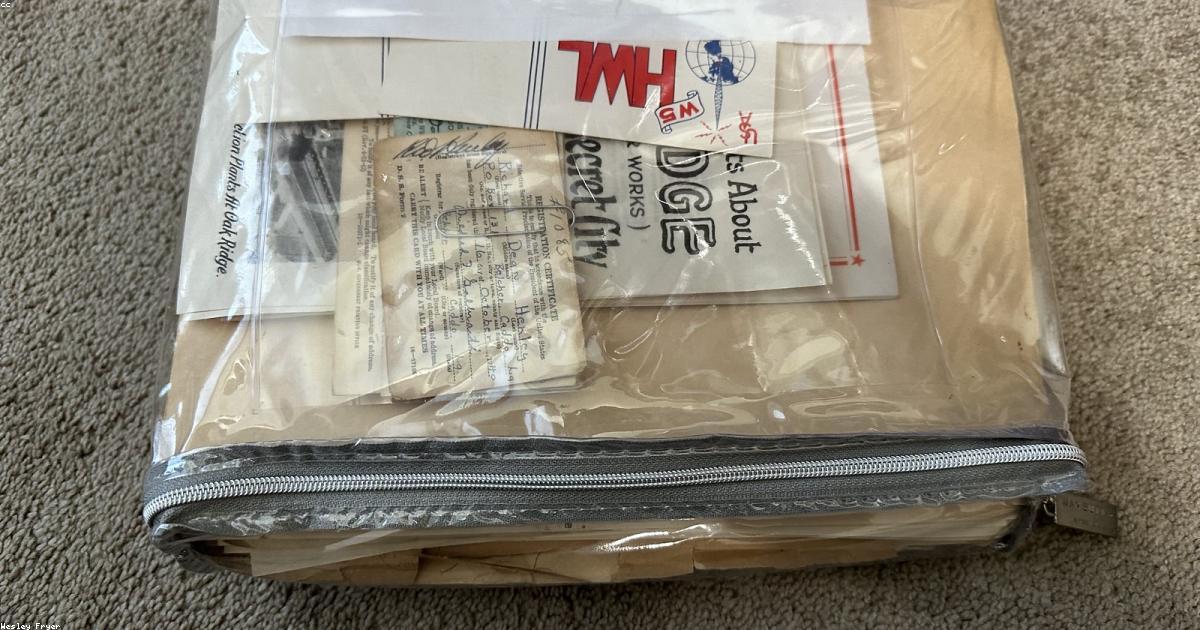
It also helps to bring a little more documentation than you think you need. If an address on one document does not match another, a second residency document can resolve the issue on the spot. Originals matter too, since many offices will not accept photocopies for identity or residency proof. A small folder with your originals and a spare proof of address turns potential problems into non-events.
Do You Need an Appointment?
Whether you need an appointment depends entirely on your state and even on the specific office. Some agencies run on appointments only, some are walk-in, and many offer both with much shorter waits for those who booked ahead. Showing up at a busy office without an appointment can mean a long wait or being told to come back another day, so this is worth confirming before you go.
If your office takes appointments, book one for early in the day when staff are freshest and lines are shortest. Arrive a few minutes early with your documents already organized. If your office is walk-in only, going early in the week and early in the day gives you the best odds of getting in and out without a long wait.
Walk In Ready to Pass
Bringing the right documents gets you to the test, but passing it is its own task. The knowledge test covers road signs, right-of-way, speed and following distance, and the safe-driving rules in your state handbook. The best preparation is to read the handbook and then take free state-specific practice questions until the answers come automatically. Practicing real questions removes the nervousness of not knowing what the test looks like.
Aim to be comfortably above the passing score on practice tests before you go, not just barely at it, so a few hard questions on the day do not sink you. A first-time pass saves you a retest fee and a second trip across town. When you combine solid study with complete paperwork, the whole visit collapses into one smooth stop: apply, present your documents, pay, pass, and walk out with your permit.
FAQ
How do I apply for the permit test?
Start by reading your state agency's permit page and handbook, complete the application form online or in person, gather your identity, residency, and Social Security documents, then visit the office to submit them, pay the fee, and take the knowledge and vision tests.
What do I need to bring to get a permit?
Bring proof of identity and age, proof of your Social Security number, proof of residency, and payment. Minors usually need a parent or guardian present to consent and sign, plus any required driver education certificate for their age.
Can I apply for the permit test online?
Many states let you begin the application online and some allow the knowledge test online for certain applicants. An in-person visit to verify original documents and issue the permit is still common, so bring your online confirmation number.
Do I need an appointment to take the permit test?
It depends on your state and office. Some are appointment-only, some are walk-in, and many offer both. Check your office ahead of time, and if appointments are available, book one early in the day for the shortest wait.
What if one of my documents has a different address?
Bring a backup. A second residency document showing your name and current address can resolve a mismatch on the spot. Carry originals rather than photocopies, since many offices will not accept copies for identity or residency proof.
About the author
Achyuth Kumar
Founder & Lead Researcher
Achyuth Kumar Maintainer of dmvmocktest.com in 2025 after watching friends and family struggle to study from dense state driver handbooks. He personally researches each state’s official handbook from the licensing agency, drafts the practice questions in his own words, writes the plain-language explanation that accompanies every answer, and re-checks each bank against the published handbook before it goes live. He has reviewed all 50 US state driver handbooks, the federal CDL manual, and the MUTCD road sign standard, and he updates the content whenever a state revises its rules. He is not a state employee and dmvmocktest.com is independent of every DMV.
Ready to practice?
Take a free DMV mock test for your state with instant answers and explanations, the same exam format the real DMV uses.