How to Register a Car: Documents, Steps, and Costs Explained

Buying a car is only the first step to driving it legally. Before a vehicle can be on the road, it has to be registered with the state, which links the car to you as its owner and produces the license plates and registration document that prove it. Registration is how the state tracks vehicles for safety, taxes, and law enforcement, and driving an unregistered car can mean fines, a citation, or even having the vehicle towed.
The process is mostly about paperwork and deadlines rather than difficulty. You bring proof that you own the car, proof that it is insured, and identification, then pay the registration fees and any taxes. The exact requirements, costs, and time limits vary widely from state to state, and some states add steps like an emissions test or a safety inspection. This guide breaks the process into its parts so you know what to gather, what to expect, and how to avoid the late penalties that catch new owners off guard. Always confirm the specifics with your state DMV.
What this guide covers
- What Vehicle Registration Actually Is
- The Documents You Need
- Title, Insurance, and Inspections
- What It Costs
- Deadlines for New Owners and New Residents
What Vehicle Registration Actually Is

Registration is the official record that ties a specific vehicle to its owner and authorizes it to be driven on public roads. When you register, the state issues license plates, a registration card you keep in the car, and often a sticker for the plate showing the expiration date. Together these show that the vehicle is accounted for, insured where required, and current on its fees. It is separate from the title, which proves who legally owns the car.
Because registration is tied to ownership and to a date, it has to be renewed periodically, usually once a year or every two years depending on the state. It also has to be redone whenever ownership changes, which is why buying a used car involves both transferring the title and registering the vehicle in your name. Keeping registration current is not optional: an expired registration is a common, easily avoided reason drivers get pulled over and ticketed.
The Documents You Need
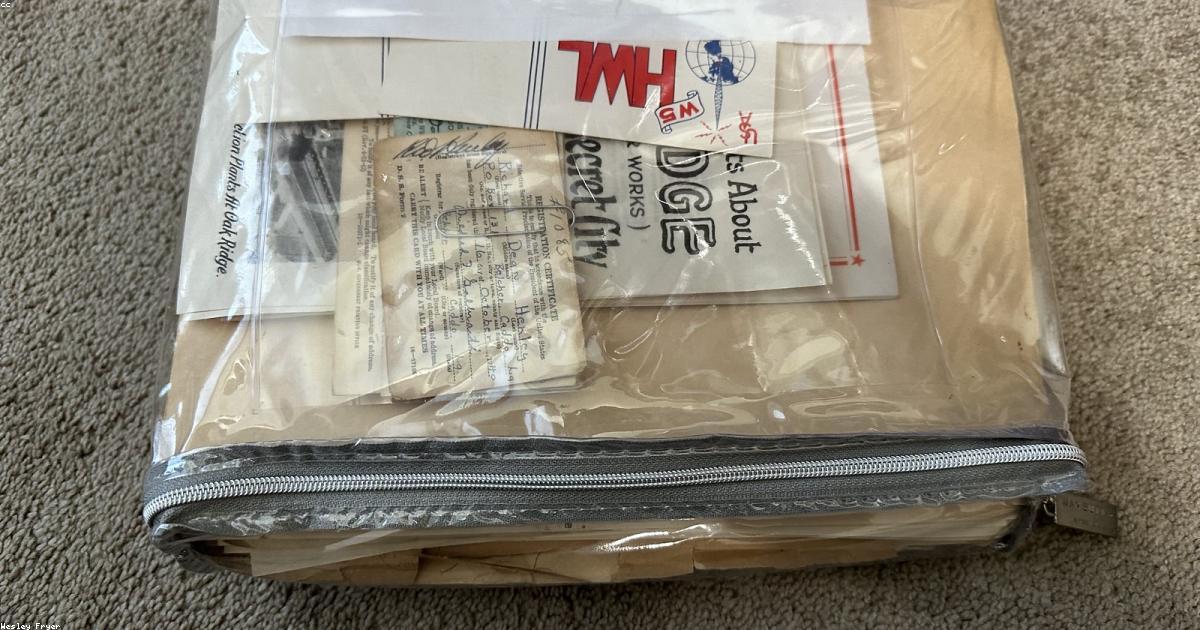
Registering a car comes down to proving three things: that you own it, that it is insured, and that you are who you say you are. The single most important document is proof of ownership, which is normally the vehicle title. For a brand-new car, the dealer often handles the title and may complete the registration for you. For a private-party used car, you receive the signed-over title from the seller and bring it in yourself.
Around that core you will need a few supporting items. The exact list differs by state, so bring more than you think you need rather than risk a second trip. If you are financing the car, the lender may hold the title, in which case the state works from other ownership documents the lender or dealer provides. When in doubt about what your state accepts as proof, check the DMV website before you go.
- Proof of ownership: the vehicle title or a manufacturer's certificate of origin for a new car
- A bill of sale showing the purchase price and date, especially for a private sale
- Proof of current insurance that meets your state's minimum coverage
- Your driver's license or other accepted proof of identity
- Proof of residency if your state requires it to register locally
Title, Insurance, and Inspections
Three requirements sit alongside the paperwork and often have to be handled first. The title must be properly signed over to you, with the seller's signature and sometimes a notarization, before the state will register the car in your name. If the title has errors or is missing, the registration stalls until that is resolved, so check the title carefully at the time of sale rather than after.
Insurance is the second requirement, since most states will not register a vehicle without proof that it meets the minimum liability coverage. Arrange a policy before your appointment so you can show an active insurance card or document. The third requirement, where it applies, is an inspection: many states require an emissions or smog test, and some add a safety inspection, before they will register the car. These usually have to be passed first, with the results brought to the DMV or transmitted electronically.
- Title: properly signed over and free of errors before registration
- Insurance: an active policy meeting your state's minimum coverage
- Emissions or smog test, required in many states and often before registration
- Safety inspection, required by some states for certain vehicles
What It Costs

Registration is rarely a single flat fee. It is usually a bundle of charges that can include a base registration fee, license plate fees, a title transfer fee, and taxes tied to the vehicle. Many states also collect a sales or use tax on the purchase price when you first register a car you have bought, which can be the largest single cost of the whole process, especially on a newer or more expensive vehicle.
On top of those, some states charge fees that scale with the car's value, weight, or age, and add separate amounts for emissions testing or specialty plates. Because the combination varies so much, two people registering similar cars in different states can pay very different totals. The only reliable way to budget is to use your state DMV's fee estimator or fee schedule and to account for tax on the purchase price if you are registering a car you just bought.
- A base registration fee, often renewed yearly or every two years
- Title transfer and license plate fees
- Sales or use tax on the purchase price, often the largest cost
- Possible value, weight, or age-based fees and emissions charges
Deadlines for New Owners and New Residents
Registration is time-sensitive, and missing the window is the most common mistake. When you buy a car, most states give you a limited number of days to register it in your name before penalties apply. For a dealer purchase, the dealer often handles the initial registration, but for a private-party sale the clock is yours to watch. Temporary tags or a temporary registration may let you drive legally in the meantime, but they expire, so do not treat them as a substitute for completing the process.
New residents face a separate deadline. When you move to a new state, you generally have a set period, often a month or two, to register your vehicle there, and this usually goes hand in hand with getting a new driver's license and new plates. Waiting too long can mean fines and back fees. If you have just bought a car or just moved, the first thing to confirm with your state DMV is the deadline, so you can gather your documents and register before it passes.
FAQ
What documents do I need to register a car?
At a minimum you need proof of ownership, usually the vehicle title, along with proof of current insurance and your identification. A bill of sale helps for private purchases, and some states ask for proof of residency. If you financed the car, the lender or dealer may provide the ownership documents. Check your state DMV for the exact list, and bring extras to avoid a second trip.
How much does it cost to register a vehicle?
Registration is usually a bundle of charges: a base registration fee, plate and title fees, and often sales or use tax on the purchase price, which can be the largest single cost. Some states add value, weight, or age-based fees and emissions charges. Totals vary widely, so use your state DMV's fee estimator to budget accurately.
Do I need insurance before I register my car?
In most states, yes. The DMV generally will not register a vehicle without proof that it meets the minimum required liability coverage. Arrange a policy before your appointment so you can show an active insurance card or document. Confirm your state's minimum coverage requirements with the DMV or your insurer.
How long do I have to register a car after buying it or moving?
When you buy a car, most states give you a limited number of days to register it before penalties apply, though dealers often handle the initial registration for new purchases. New residents usually have a set period, often a month or two, to register their vehicles after moving. Confirm the exact deadline with your state DMV to avoid fines and back fees.
About the author
Achyuth Kumar
Founder & Lead Researcher
Achyuth Kumar Maintainer of dmvmocktest.com in 2025 after watching friends and family struggle to study from dense state driver handbooks. He personally researches each state’s official handbook from the licensing agency, drafts the practice questions in his own words, writes the plain-language explanation that accompanies every answer, and re-checks each bank against the published handbook before it goes live. He has reviewed all 50 US state driver handbooks, the federal CDL manual, and the MUTCD road sign standard, and he updates the content whenever a state revises its rules. He is not a state employee and dmvmocktest.com is independent of every DMV.
Ready to practice?
Take a free DMV mock test for your state with instant answers and explanations, the same exam format the real DMV uses.