How to Pass the Motorcycle Permit Test (First Try)
The motorcycle permit test is the first real step toward riding legally, and the good news is that it rewards preparation rather than luck. Every question is drawn from your state's official Motorcycle Operator Manual, which means the entire test is sitting in a free document you can read before you ever walk into the office. People who fail almost never fail because the material is hard. They fail because they studied a generic list, leaned on what they assumed was true, or skimmed instead of read.
This guide walks through how to study the right source, the topics the test loves to ask about, how the format changes from state to state, and the test-day habits that protect a passing score. Follow it and a first-try pass becomes the expected outcome, not a hopeful one.
What this guide covers
- Read Your State's Motorcycle Operator Manual First
- Master Countersteering and Turning
- Know Lane Position and the Parts of a Lane
- Brake With Both Brakes, Every Time
- Intersections Are the Top Crash Spot
- Alcohol, Impairment, and Protective Gear
- Carrying Passengers, Cargo, and State-Specific Laws
- Use Practice Tests, Then Walk in Calm
Read Your State's Motorcycle Operator Manual First
Most states base their motorcycle knowledge test on the Motorcycle Operator Manual, a document built from the curriculum used to train new riders. This is the single source every question comes from, so it is where your time should go before anything else. Random online quizzes can be outdated or written for a different state, and a helmet rule or lane law that is correct in one place can be flatly wrong in another.
Read the whole manual at least once for understanding, not memorization. Notice why each rule exists, such as why you cover the brakes before an intersection or why you ride in a specific part of the lane. When the logic clicks, the answers come back to you under pressure instead of slipping away. Keep notes on anything that surprises you, because those surprises are exactly what the test likes to ask.
Master Countersteering and Turning
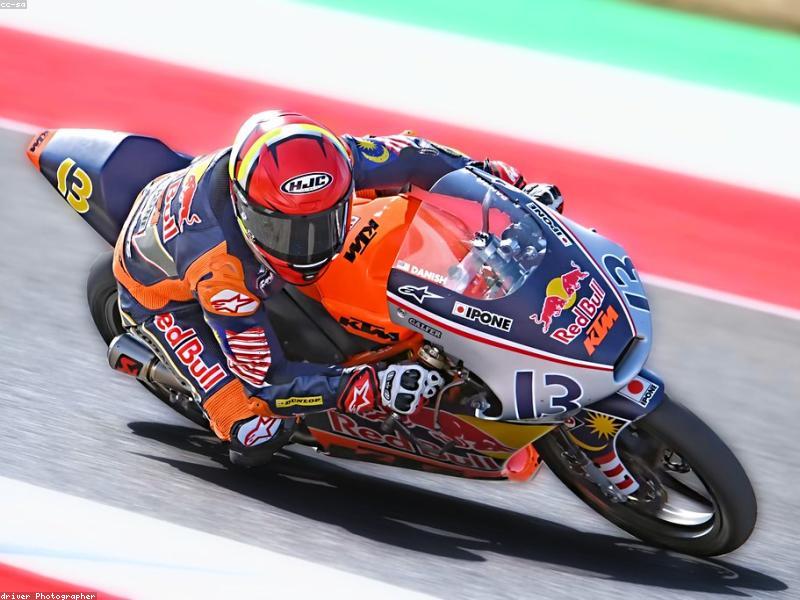
Turning a motorcycle at speed is one of the least intuitive things a new rider learns, and the test reflects that. Above roughly walking pace, you press forward on the handgrip on the side you want to turn toward, which is countersteering. Press left to go left, press right to go right. It feels backward until you understand that the press leans the bike, and the lean is what turns it.
Expect questions on how to take a curve as well: slow before you enter, look through the turn to where you want to go, then roll on smooth throttle as you come out. Understanding the sequence matters more than memorizing a phrase, because the test may describe the same idea with different wording.
Know Lane Position and the Parts of a Lane
A motorcycle lane is usually described as having three parts: left, center, and right. There is no single correct position for all situations. The right choice shifts with traffic, road surface, and what you need to see and be seen by. The center portion often collects oil and grease, so riders frequently favor the left or right tire track instead.
The test wants you to understand position as a tool. You move within the lane to increase your space cushion, to stay out of a driver's blind spot, to be visible at an intersection, and to set up for a turn. Think of it as choosing the safest, most visible slice of the lane for the moment you are in.
- Use lane position to stay visible and keep a space cushion around you
- Avoid the greasy center strip, which can be slick
- Adjust position for blind spots, hazards, and upcoming turns
- Ride in the part of the lane that gives you the best view and escape route
Brake With Both Brakes, Every Time
A motorcycle has separate front and rear brakes, and the test expects you to use both together for normal and hard stops. The front brake provides most of your stopping power because weight shifts forward when you slow, but relying on it alone or grabbing it suddenly can be dangerous. Smooth, firm pressure on both is the rule.
Be ready for questions about stopping quickly, braking in a curve, and the idea that locking a wheel reduces control. Understanding that you should straighten the bike before braking hard, and apply both brakes progressively, will answer most of the braking items you see.
Intersections Are the Top Crash Spot
More motorcycle crashes happen at intersections than anywhere else, usually when a driver fails to see the rider and turns across their path. The manual hammers this point, so the test does too. The defense is a mix of visibility and readiness: choose a lane position that puts you in view, cover your brakes, and slow enough to react.
Watch for the classic scenario of an oncoming car turning left in front of you. The test wants you to anticipate it, reduce speed, and have an escape path in mind rather than assuming the driver sees you. Treat every intersection as the place where you are least visible and most exposed.
Alcohol, Impairment, and Protective Gear
Riding takes more balance, coordination, and judgment than driving a car, which is why even a small amount of alcohol is more dangerous on two wheels. The test covers blood alcohol limits, the way impairment builds, and the reality that there is no quick fix to sober up. Expect questions that frame the safest choice as not riding at all after drinking.
Gear questions appear frequently because gear is your only crash protection. The manual treats a helmet, eye protection, sturdy footwear, gloves, and a durable jacket as standard riding equipment rather than optional extras. Know why each piece matters and what makes a helmet meet the required safety standard.
- Even one drink degrades the balance and judgment riding demands
- Wear a helmet that meets the required safety standard
- Use eye protection, since wind and debris can blind you in an instant
- Cover your skin with sturdy boots, gloves, long pants, and a jacket
Carrying Passengers, Cargo, and State-Specific Laws
If your motorcycle is set up for a passenger, the test may ask how a second rider changes the bike's handling. Extra weight lengthens stopping distance and affects balance, so you brief the passenger to hold on, keep their feet on the pegs, and avoid sudden moves. Cargo follows the same idea: secure it low and centered so it does not shift.
Some questions are purely state-specific, which is why the official manual for your own state matters so much. Helmet requirements vary, and rules on lane splitting or lane filtering differ sharply from place to place. A handful of states allow some form of it while most prohibit it, so learn what your state actually says rather than what a friend in another state told you.
Use Practice Tests, Then Walk in Calm
Reading tells you what you have seen. Practice tests tell you what you actually know. After your first pass through the manual, take a free state-specific motorcycle practice test on dmvmocktest.com, which covers California, Texas, New York, and more, and pay attention to what you miss. Go back to the manual section behind each wrong answer rather than just noting the correct letter, and aim to score above the passing mark several times in a row before you book your appointment.
On test day, read each question fully before looking at the answers, since words like not or except flip the meaning. The number of questions and the passing score vary by state, so confirm both ahead of time. Bring the identification and paperwork your state requires, arrive early, and slow down. A calm, prepared rider who studied the right manual passes the first time far more often than not.
FAQ
What should I study for the motorcycle permit test?
Study your state's official Motorcycle Operator Manual. Every question is drawn from it, so reading it for understanding and then taking practice tests is the most reliable path to a first-try pass.
How many questions are on the motorcycle knowledge test?
It varies by state. Both the number of questions and the passing score differ from one state to another, so check your state's manual or licensing agency for the exact count and the score you need.
Is countersteering really on the test?
Often, yes. Turning at speed by pressing forward on the handgrip toward your turn is a core skill the manual emphasizes, so questions about countersteering and taking curves are common.
Do helmet and lane-splitting rules change by state?
Yes. Helmet requirements vary, and lane splitting or filtering is allowed in only a few states while most prohibit it. Always study the manual for your own state rather than a generic source.
About the author
Achyuth Kumar
Founder & Lead Researcher
Achyuth Kumar Maintainer of dmvmocktest.com in 2025 after watching friends and family struggle to study from dense state driver handbooks. He personally researches each state’s official handbook from the licensing agency, drafts the practice questions in his own words, writes the plain-language explanation that accompanies every answer, and re-checks each bank against the published handbook before it goes live. He has reviewed all 50 US state driver handbooks, the federal CDL manual, and the MUTCD road sign standard, and he updates the content whenever a state revises its rules. He is not a state employee and dmvmocktest.com is independent of every DMV.
Ready to practice?
Take a free DMV mock test for your state with instant answers and explanations, the same exam format the real DMV uses.