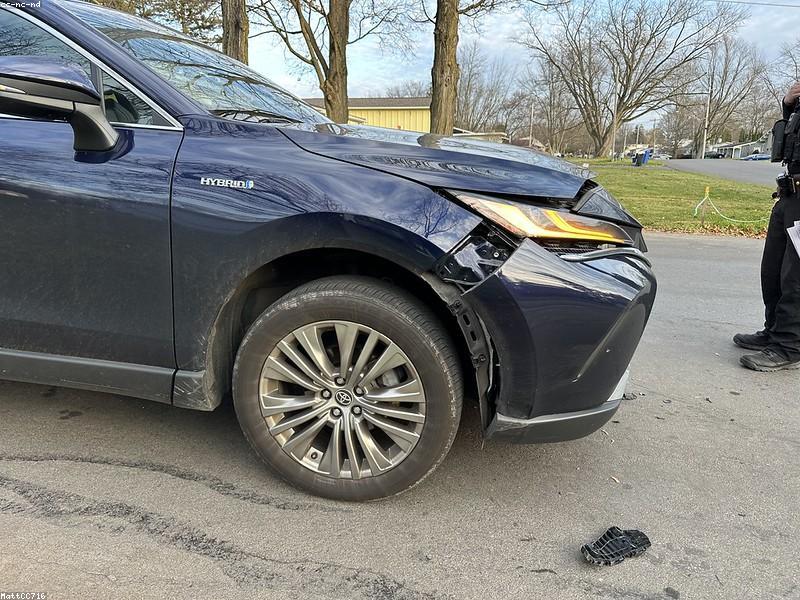
How to Handle Hydroplaning Safely

Hydroplaning is one of the most frightening experiences a driver can face. You are cruising down the highway during a rainstorm, and suddenly, the steering wheel goes completely loose. Your vehicle feels like it is floating, disconnecting you entirely from the road surface. This sensation is not an illusion. When a vehicle hydroplanes, it literally leaves the pavement and glides on a thin layer of water.
The sheer suddenness of the event is what catches most drivers off guard. Without warning, input from the steering wheel and the brake pedal no longer controls the vehicle. In these critical seconds, your reaction determines whether you regain control or end up in a severe collision. Many drivers instinctively react in ways that make the situation worse, such as slamming the brakes or jerking the steering wheel.
Understanding how to react correctly is essential for any driver who encounters wet weather. More importantly, understanding why hydroplaning happens and how to prevent it can keep you out of this dangerous situation entirely. This guide covers the physical mechanics of hydroplaning, the immediate steps to take if you lose control, and the maintenance habits required to ensure your tires can do their job effectively. By learning these principles, you will be much better prepared the next time you face a heavy downpour on the road.
What this guide covers
- The Science of Hydroplaning
- Warning Signs that Hydroplaning is Imminent
- What to Do When You Start Hydroplaning
- How to Prevent Hydroplaning Before It Starts
- Advanced Considerations for Different Vehicles
The Science of Hydroplaning
To properly handle hydroplaning, you must understand the physical forces at play. Your tires are designed to scatter water away from the contact patch, which is the small area where the rubber meets the road. The grooves in your tires act as channels, forcing water out to the sides so the rubber can grip the asphalt. Under normal wet conditions, this system works perfectly.
However, when you drive too fast over standing water, the tire cannot scatter the water quickly enough. The water pressure in front of the tire builds up, creating a wedge of water under the leading edge. If the speed is high enough and the water is deep enough, this wedge lifts the tire entirely off the road surface. At this point, the tire is riding on the water rather than the pavement. This loss of traction means that the steering wheel, brakes, and accelerator no longer have any direct effect on the direction of the vehicle.
Speed is the most critical variable in this equation. Most experts agree that hydroplaning can occur at speeds as low as thirty five miles per hour if the water is sufficiently deep. The faster you drive, the less time your tires have to channel the water away.
Tire condition is the second most crucial factor. Tires with worn treads have shallower channels, significantly reducing the volume of water they can displace per second. An incorrectly inflated tire also alters the shape of the contact patch. Underinflated tires tend to cave in the center, trapping water rather than pushing it outward, making hydroplaning highly likely even at lower speeds.
- Water wedge formation lifts the tire from the road.
- Speeds over thirty five miles per hour greatly increase the risk.
- Shallow tire treads cannot channel water effectively.
- Incorrect tire pressure changes the tire footprint and traps water.
Warning Signs that Hydroplaning is Imminent
While hydroplaning often feels like it happens without warning, the road environment and your vehicle often provide subtle clues that conditions are ripe for a loss of traction. Being attuned to these signals can give you the precious time needed to slow down and avoid the problem altogether.
The first and most obvious sign is visible standing water. During heavy rain, water tends to pool in the ruts created by heavy truck traffic, typically in the rightmost lane. If you see standing water reflecting light, or if you notice that the road lacks a slight crown to drain water, the risk is exceptionally high. Pay attention to the vehicles ahead of you. If you can see their tire tracks left in the water, but those tracks disappear almost instantly, the water layer is thick enough to cause hydroplaning.
Another major warning sign is auditory. When driving in the rain, you will hear a consistent sound of water splashing against the wheel wells and the undercarriage. If this splashing sound suddenly grows significantly louder or changes in pitch, it means your tires are hitting a deeper accumulation of water.
You may also feel physical changes in the vehicle just before full hydroplaning occurs. The steering wheel might start to feel unnaturally light or vague in your hands, requiring more effort to keep the vehicle tracking straight. You might also feel a slight pulling sensation if only one side of the vehicle hits a puddle, causing uneven drag. Recognizing these auditory and physical cues should immediately prompt you to adjust your driving behavior.
- Visible reflections or puddles in the roadway.
- Tire tracks from leading vehicles disappearing immediately.
- Sudden increases in the sound of water hitting the undercarriage.
- A vague or unnaturally light feeling in the steering wheel.
What to Do When You Start Hydroplaning
If you feel your vehicle begin to hydroplane, the most crucial instruction is to remain calm. Panic leads to abrupt actions, and abrupt actions are exactly what cause accidents during a loss of traction. Your goal is to let the vehicle slow down naturally until the tires cut through the water and regain contact with the pavement.
The first step is to take your foot off the accelerator. Do this smoothly but quickly. By removing engine power, you allow the vehicle to decelerate naturally due to water resistance. Do not apply the brakes. Slamming the brakes is the most common and dangerous mistake drivers make. Because your tires have no grip, applying the brakes will lock the wheels. When the tires eventually do make contact with the road, locked wheels will almost certainly throw the vehicle into a violent skid.
As the vehicle decelerates, keep both hands on the steering wheel and look exactly where you want to go. Do not turn the steering wheel sharply in an attempt to correct the slide. If the vehicle is drifting slightly to one side, maintain a steady grip and steer just enough to keep the nose pointed in your intended direction of travel. Overcorrecting is extremely hazardous because once traction returns, the vehicle will violently snap in the direction the wheels are pointed.
Wait for the unmistakable feeling of the tires reconnecting with the road. You will feel a sudden jolt or a distinct return of weight and resistance in the steering wheel. Once you have regained control, gently apply the brakes if you need to slow down further. Hydroplaning is an intense and terrifying experience, so do not hesitate to pull over to a safe location on the shoulder to calm your nerves before continuing your journey.
- Smoothly remove your foot from the accelerator.
- Never apply the brakes while the vehicle is hydroplaning.
- Look and steer steadily in the direction you want to travel.
- Avoid overcorrecting or jerking the steering wheel.
- Wait for the steering to feel heavy again before making adjustments.
How to Prevent Hydroplaning Before It Starts
The safest way to handle hydroplaning is to ensure it never happens in the first place. Prevention requires a combination of smart driving habits during inclement weather and diligent vehicle maintenance throughout the year. The most effective preventative measure is simply reducing your speed. The speed limit is set for ideal, dry conditions. When it rains, you should automatically reduce your speed by at least a third to give your tires adequate time to channel water away from the contact patch.
Another critical driving habit is to disengage your cruise control anytime the roads are wet. Cruise control is designed to maintain a constant speed, meaning it will actually accelerate if it senses a drop in speed, which often happens when you hit a puddle. This acceleration is the absolute last thing you want when entering standing water. Furthermore, having your foot actively managing the pedal keeps you engaged and ready to lift off the accelerator instantly if you feel a loss of traction.
Your choice of lane can also impact your safety. Water naturally flows downward and tends to accumulate in the outer lanes or on the shoulders of the highway. Whenever possible, drive in the center lanes where the water is more likely to drain away. Additionally, try to follow in the tire tracks of the vehicle ahead of you. The leading vehicle displaces a significant amount of water, leaving a relatively drier path for your tires to follow, provided you maintain a safe following distance.
Finally, regular tire maintenance is non negotiable. You must check your tire tread depth regularly. You can use the classic penny test by inserting a penny into the tread groove with Lincoln pointing downward. If you can see the top of his head, your treads are too shallow for safe wet weather driving and must be replaced. Furthermore, ensure your tires are inflated to the exact pressure recommended by the manufacturer, which is typically found on a sticker inside the driver door jamb.
- Reduce your speed significantly as soon as it begins to rain.
- Never use cruise control on wet or icy roads.
- Drive in the center lanes to avoid accumulated water on the edges.
- Follow in the tire tracks of the vehicle in front of you.
- Regularly check tire tread depth and maintain proper air pressure.
Advanced Considerations for Different Vehicles
It is a common misconception that certain types of vehicles are immune to hydroplaning. Many drivers of heavy trucks, large sport utility vehicles, and vehicles equipped with all wheel drive carry a false sense of security during heavy rain. While weight and drivetrain configurations do affect handling, no vehicle is exempt from the laws of physics when encountering standing water.
Heavier vehicles do have a slight advantage because their increased mass pushes the tires down with more force, making it slightly harder for the water wedge to lift the vehicle. However, this advantage is minimal at highway speeds. Furthermore, when a heavy vehicle does lose traction, it carries significantly more momentum, making it much harder to regain control and stop. Drivers of heavy vehicles must be just as cautious about their speed and tire condition as drivers of compact cars.
All wheel drive and four wheel drive systems provide excellent traction for accelerating in slippery conditions like snow or mud, but they offer absolutely no benefit in preventing hydroplaning. These systems work by distributing power to the wheels that have grip. If all four wheels are lifted off the ground by a layer of water, the drivetrain system cannot help you. In fact, these systems can sometimes provide a false sense of confidence, leading drivers to travel at unsafe speeds in the rain.
The width of your tires also plays a surprising role. While wide, low profile tires look sporty and provide excellent dry weather grip, they are actually more prone to hydroplaning than narrower tires. A wider tire has to displace a larger volume of water, and its wider footprint acts much like a water ski. Drivers with wide performance tires must be exceptionally vigilant in wet conditions and reduce their speeds even further to compensate for the increased risk.
- Heavy vehicles are not immune and are harder to control once traction is lost.
- All wheel drive provides zero benefit when the tires leave the road surface.
- Wide performance tires act like water skis and increase hydroplaning risk.
- Drivers of all vehicle types must adjust their driving habits in the rain.
FAQ
Can heavy vehicles like trucks and SUVs hydroplane?
Yes, heavy vehicles can certainly hydroplane. While their extra weight pushes down on the water, high speeds and worn tires will still cause the vehicle to lift off the road. When heavy vehicles lose traction, their increased momentum makes them even more difficult to control than lighter cars.
Does having an all-wheel drive vehicle prevent hydroplaning?
No, all-wheel drive does not prevent hydroplaning. All-wheel drive helps optimize power delivery when tires have traction, but if all four tires are floating on a layer of water, the drivetrain cannot function. Drivers of all-wheel drive vehicles must reduce their speed in the rain just like everyone else.
How long does a hydroplaning event typically last?
Hydroplaning usually lasts for only a fraction of a second to a couple of seconds, depending on the speed of the vehicle and the size of the puddle. However, those few seconds are enough to cause a severe accident if the driver panics and makes abrupt steering or braking inputs.
Are wider tires better for driving in the rain?
Surprisingly, wider tires are generally worse for hydroplaning. A wider tire has a larger surface area, acting more like a water ski, and it has to displace a significantly larger volume of water than a narrower tire. Vehicles with wide tires should be driven even more cautiously in wet conditions.
About the author
Achyuth Kumar
Founder & Lead Researcher
Achyuth Kumar Maintainer of dmvmocktest.com in 2025 after watching friends and family struggle to study from dense state driver handbooks. He personally researches each state’s official handbook from the licensing agency, drafts the practice questions in his own words, writes the plain-language explanation that accompanies every answer, and re-checks each bank against the published handbook before it goes live. He has reviewed all 50 US state driver handbooks, the federal CDL manual, and the MUTCD road sign standard, and he updates the content whenever a state revises its rules. He is not a state employee and dmvmocktest.com is independent of every DMV.
Ready to practice?
Take a free DMV mock test for your state with instant answers and explanations, the same exam format the real DMV uses.