How to Do a Three-Point Turn: Step-by-Step for Your Road Test

The three-point turn, sometimes called a Y-turn or a K-turn, is the maneuver that lets you reverse your direction on a road too narrow for a single U-turn. You turn the car to face the opposite way using three controlled moves: forward across the road, backward to reposition, and forward again into the new direction. It is a staple of the road test in many states precisely because it packs so many core skills, steering, reversing, observation, and judgment, into one short sequence.
Many new drivers find the three-point turn intimidating, but it is highly learnable once you break it into its parts and understand what the examiner is actually grading. The goal is not speed or elegance. It is control, safety, and awareness: choosing a safe spot, checking thoroughly before every move, and keeping the car slow and deliberate. This guide explains when to use the maneuver, walks through each of the three moves, lists the mistakes that most often cost points, and shows you how to practice so it becomes second nature.
What this guide covers
- When and Where to Use a Three-Point Turn
- Before You Begin: Setup and Observation
- Move One: Forward to the Far Curb
- Move Two: Reverse to Reposition
- Move Three: Forward Into the New Direction
- Common Mistakes That Fail the Road Test
When and Where to Use a Three-Point Turn
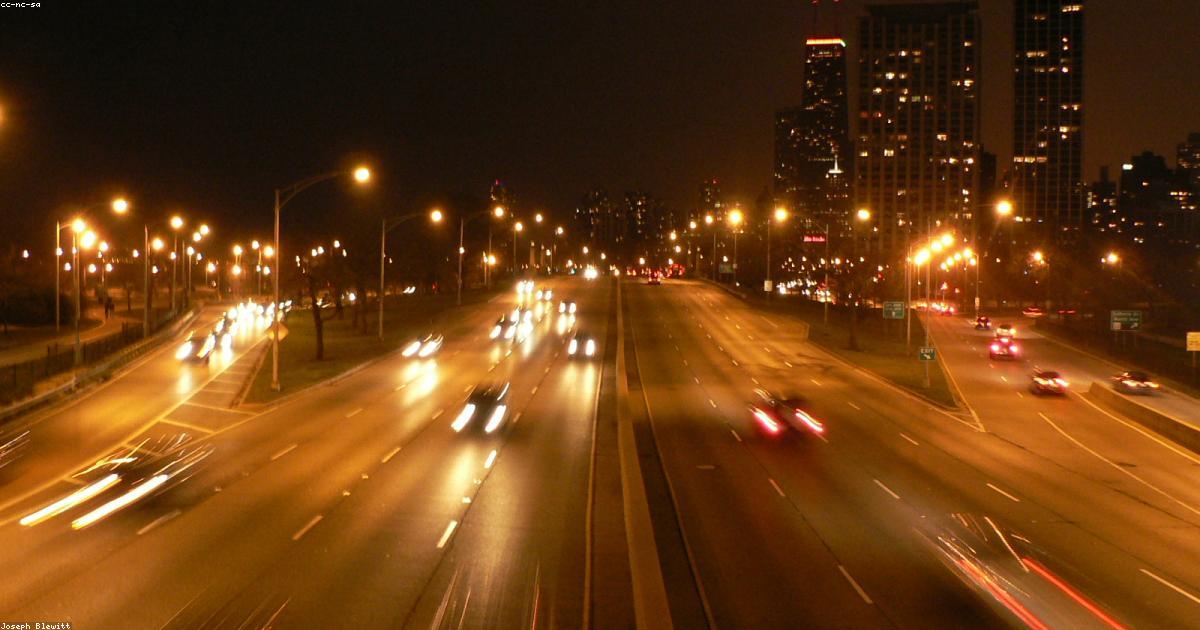
A three-point turn is the right tool when you need to reverse direction on a road that is too narrow to swing around in one motion and there is no driveway, intersection, or parking lot to use instead. Picture a quiet two-lane residential street where a U-turn would not fit: the three-point turn lets you turn around within that limited width by using reverse to make up for the space you do not have.
Where you choose to do it matters as much as how you do it. Pick a stretch with good visibility in both directions, away from curves, hills, and intersections that could hide oncoming traffic. Avoid spots near driveways, fire hydrants, or anywhere a turn is prohibited. On a real road test, part of the skill is recognizing a safe, legal location, so if the examiner gives you the choice, select an open, level section where you can see far in each direction before you commit.
Before You Begin: Setup and Observation
Good preparation makes the whole maneuver smoother. Pull over and stop near the right edge of the road, signal, and put the car in a calm, ready state. Take a moment to scan the full scene: look ahead and behind for approaching cars, cyclists, and pedestrians, and confirm there are no driveways or hazards that will complicate your path. The three-point turn should only start when the road is clear in both directions.
Observation is not a one-time check at the start. The examiner wants to see you look before and during each of the three moves, not just glance once and commit. Plan to check your mirrors and over your shoulder before you pull out, before you reverse, and before you pull forward again. Treat every change of direction as its own decision that requires a fresh look, because traffic can appear at any point during the turn.
- Stop near the right edge and signal your intention
- Scan ahead and behind for vehicles, cyclists, and pedestrians
- Confirm there are no driveways, hydrants, or no-turn restrictions
- Plan to re-check in every direction before each of the three moves
Move One: Forward to the Far Curb
With the road clear, signal left, check your mirrors and blind spot, and pull forward slowly while turning the steering wheel hard to the left. Your aim is to bring the front of the car across the road toward the opposite curb, angling the vehicle as far around as the width allows. Keep the speed to a crawl, because control matters far more than getting there quickly, and steer briskly so the wheels are turned by the time you reach the far side.
As the front of the car approaches the opposite curb, begin straightening and bring the car to a smooth, complete stop a safe distance from the edge. You do not want to touch or climb the curb, which is a common error that costs points. At the end of this first move, your car should be angled across the road, nose toward one curb and tail toward the other, ready to reverse into the second move.
Move Two: Reverse to Reposition
Now you trade direction for space. With the car stopped, shift into reverse and, before moving, turn the steering wheel hard the opposite way, to the right. Look over your right shoulder and through the rear window, check both mirrors, and confirm the road is still clear behind you and in both directions. Only then back up slowly, letting the rear of the car swing toward the curb behind you as the front swings out toward the center of the road.
The purpose of this move is to point the car much closer to your new direction of travel. Keep reversing at a crawl while steering, and stop before your rear wheels reach the curb, leaving room to spare. Throughout the reverse, keep looking in the direction the car is moving rather than fixating forward. When you stop, the car should be angled so that one more forward move will line you up with the lane heading the opposite way from where you started.
- Shift to reverse and turn the wheel fully toward the opposite curb
- Look over your shoulder and check mirrors before and during the move
- Back up slowly, stopping before the rear wheels reach the curb
- Keep your eyes in the direction the car is actually moving
Move Three: Forward Into the New Direction
The final move completes the turn. With the car repositioned and pointed close to your new direction, shift back into drive, check your mirrors and blind spot once more, and look for any traffic now approaching from either side. When it is clear, pull forward slowly while straightening the wheel so the car settles fully into the correct lane, facing the way you now want to go.
Finish the maneuver cleanly: cancel your signal, bring the car up to a normal, safe speed for the road, and merge into the flow of traffic as you would after any turn. A well-executed three-point turn ends with you centered in your lane, having never touched a curb, blocked traffic unnecessarily, or moved without checking. If the road was narrow enough that three moves were not quite sufficient, it is acceptable to use additional forward-and-back moves, though examiners prefer to see it done in the classic three when space allows.
Common Mistakes That Fail the Road Test
Most three-point turn failures come from a small set of repeat errors, and knowing them in advance is the easiest way to avoid them. The biggest is weak observation: moving without checking mirrors and blind spots before each part of the turn, or doing one check at the start and none after. Examiners watch your head and eyes closely, so deliberate, visible checks before every move are essential. Hitting or riding up the curb is another frequent fault, usually caused by going too fast or steering too late.
Other common problems include rushing the whole sequence, which leads to jerky control and missed checks, and stalling or rolling because of poor coordination between the brake and accelerator on a manual or even an automatic. Choosing an unsafe location, such as near a hill, curve, or intersection, can fail you before you even begin. Practice the maneuver slowly and smoothly, treat each move as its own check-and-go decision, and the turn becomes a calm, repeatable routine rather than a test-day gamble.
- Failing to check mirrors and blind spots before each move
- Hitting or climbing the curb from going too fast or steering late
- Rushing the sequence, causing jerky, uncontrolled movements
- Choosing an unsafe spot near a hill, curve, or intersection
- Stalling or rolling from poor brake and accelerator control
FAQ
What is a three-point turn?
A three-point turn, also called a Y-turn or K-turn, is a maneuver that reverses your direction of travel on a road too narrow for a single U-turn. You do it in three controlled moves: forward across the road toward the far curb, backward to reposition the car, and forward again into the opposite lane. It is a common road test maneuver because it combines steering, reversing, and observation.
How many points or moves are allowed in a three-point turn?
The classic version uses three moves, which is what examiners prefer to see when the road is wide enough. On a very narrow road, it is generally acceptable to use additional forward-and-back moves to complete the turn safely without hitting the curb. Control and safety matter more than doing it in exactly three, but practice toward the clean three-move version.
What is the most common reason people fail the three-point turn?
Weak observation is the biggest one: moving without checking mirrors and blind spots before each part of the turn, or only checking once at the start. Hitting or climbing the curb, rushing the sequence, and choosing an unsafe location are also frequent faults. Deliberate checks before every move and slow, smooth steering prevent most failures.
Where should I practice a three-point turn?
Choose a quiet, level, two-lane road with good visibility in both directions, away from curves, hills, intersections, driveways, and any no-turn restrictions. An empty residential street is ideal for building confidence. Practicing in a safe, low-traffic spot lets you focus on slow, controlled steering and thorough checks before each move.
About the author
Achyuth Kumar
Founder & Lead Researcher
Achyuth Kumar Maintainer of dmvmocktest.com in 2025 after watching friends and family struggle to study from dense state driver handbooks. He personally researches each state’s official handbook from the licensing agency, drafts the practice questions in his own words, writes the plain-language explanation that accompanies every answer, and re-checks each bank against the published handbook before it goes live. He has reviewed all 50 US state driver handbooks, the federal CDL manual, and the MUTCD road sign standard, and he updates the content whenever a state revises its rules. He is not a state employee and dmvmocktest.com is independent of every DMV.
Ready to practice?
Take a free DMV mock test for your state with instant answers and explanations, the same exam format the real DMV uses.