Free Rhode Island DMV Practice Test 2026
Last updated:
Rhode Island grants learner's permits only after applicants clear a written exam from the state's Division of Motor Vehicles. Small as the state is, its roads compress a lot into a few miles: tight Providence blocks, packed commuter arteries, shoreline routes, and the occasional rotary, so the DMV wants evidence that you can read signs, follow signals, and yield properly before you join that traffic.
This page exists to take the surprise out of test day. The real exam presents 25 questions and clears you at 20 correct answers, which works out to 80%. Run through the free practice version as many rounds as you need, study the note attached to every answer, and arrive at your DMV appointment calm instead of guessing.
Passing score
80% to pass
20
of 25 correct
You can miss up to 5 questions and still pass.
DMV
Agency
25
Questions
20 (80%)
To pass
16
Permit age
Key takeaways
- The Rhode Island written test has 25 questions and you need 20 correct (80%) to pass.
- Questions are drawn from the official Rhode Island Division of Motor Vehicles handbook and cover road signs, traffic laws, and safe driving.
- You can apply for a permit at 16.
- Practice in two modes: learn with instant explanations, then simulate the real exam under a timer.
Sample Rhode Island permit test questions
Here are a few real questions from our Rhode Island bank, with the correct answer and a plain-language explanation. The full test has many more.
- Road SignsEasy
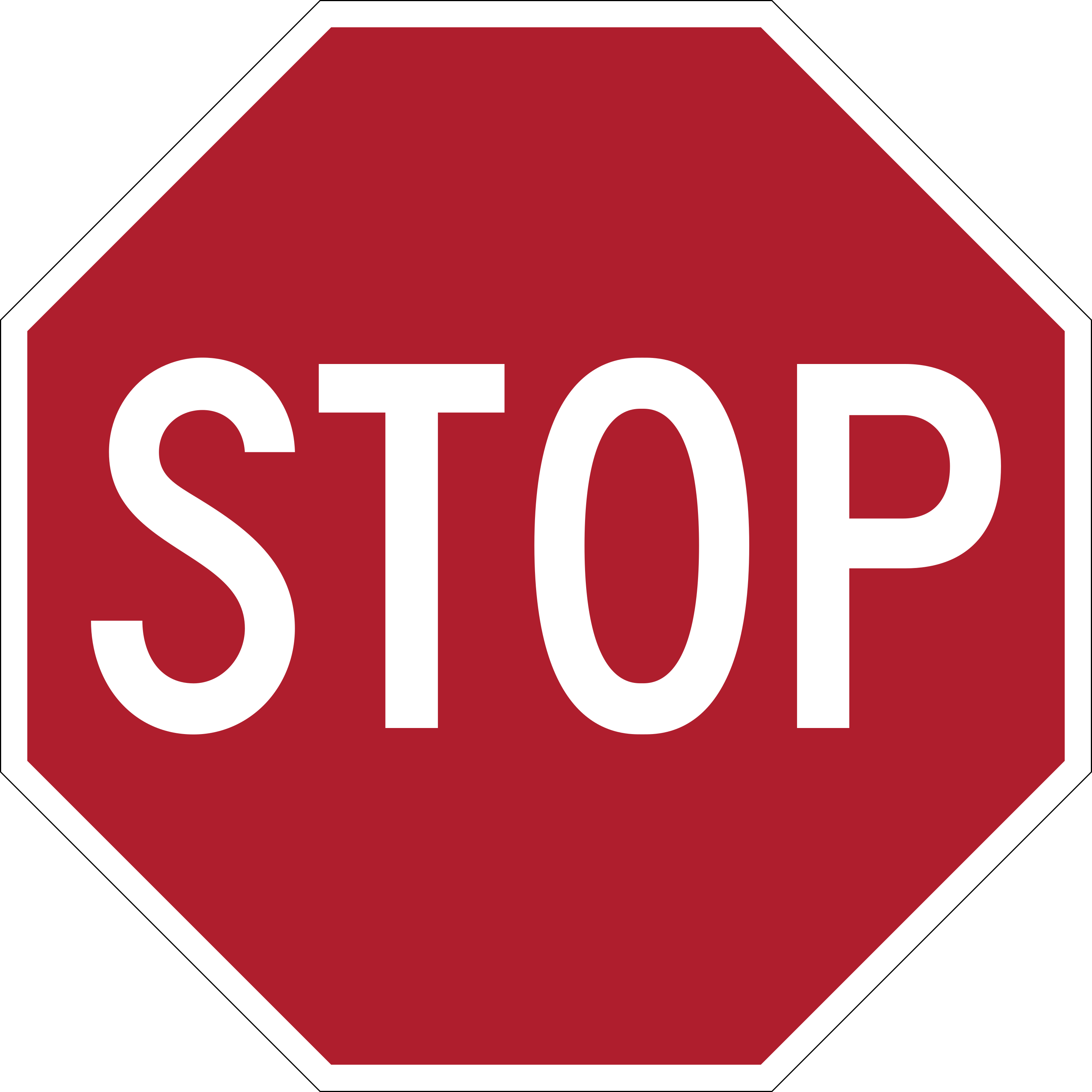
1. A red, eight-sided sign means:
- Yield
- Merge
- Stop
- Do not enter
Why: An eight-sided red sign is a stop sign. Make a complete stop and go only when it is safe.
- Traffic SignalsEasy
2. A steady red light means a driver must:
- Stop and wait for green
- Slow down only
- Proceed if clear
- Yield then go
Why: A steady red light requires you to stop behind the stop line or crosswalk and wait. A right turn on red is allowed only where permitted, after stopping.
- Traffic LawsEasy
3. You must use turn signals:
- Only at night
- Only on highways
- Before turning or changing lanes
- Only when police are near
Why: Signal before every turn and lane change so other road users can anticipate your movement.
- Right-of-WayMedium
4. At a four-way stop with two cars arriving together, the driver who proceeds first is:
- On the left
- In the bigger car
- Going straight only
- On the right
Why: When two vehicles reach a four-way stop at the same time, the driver on the right goes first.
More ways to practice Rhode Island
Want a fresh set of questions or a focused drill? Try one of these Rhode Island tests:
What’s on the Rhode Island test
Our Rhode Island question bank is balanced across the categories the DMV tests. These are the topics to study:
The structure of Rhode Island's written exam
Rhode Island builds its 25-question exam from the official DMV driver manual, mixing items on signage, signal lights, painted road markings, yielding rules, legal speeds, and sound driving judgment. Reaching 80% means 20 correct responses, and the wrong choices are often worded to sound nearly right, so deliberate reading beats speed. Anyone who falls short gets another chance at a retake, which makes early practice the cheapest insurance available.
Topics worth the most attention
Give the bulk of your prep to the question categories that show up constantly and confuse the most applicants, then circle back through the manual's chapters on impaired driving, sharing space with cyclists, and handling coastal weather.
- Distinguishing regulatory, warning, and school signage on sight
- Every light pattern a signal can show, from a solid green to a flashing yellow to a red arrow
- Who gives way at all-way stops, on left turns, at crosswalks, and inside rotaries
- Painted guidance on the asphalt: line colors, line patterns, stop bars, and crossing zones
- Matching speed to rain, fog, and snow, and keeping a sensible gap to the car ahead
A two-stage way to prepare
Stage one is Practice Mode, where each response is checked the moment you make it and a compact explanation shows the reasoning, which is how rules move from memorized to understood. Stage two is Exam Mode, a timed run with all feedback held back until the final screen, recreating the feel of the actual sitting. Move to stage two once stage one scores stop wobbling, and schedule the DMV visit only after Exam Mode says you are ready.
Driving in the nation's smallest state
Distance is never the challenge in Rhode Island; density is. Urban blocks in Providence funnel pedestrians into constant crosswalks, one-way streets appear without much warning, and cyclists share narrow lanes. Morning fog drifts in along the shore, winter ice forms on bridges before the pavement around them, and short trips through heavy traffic punish impatience. The habits the exam rewards, full stops, early signals, and unhurried decisions, are exactly the ones this kind of driving demands.
Road signs show up on every test
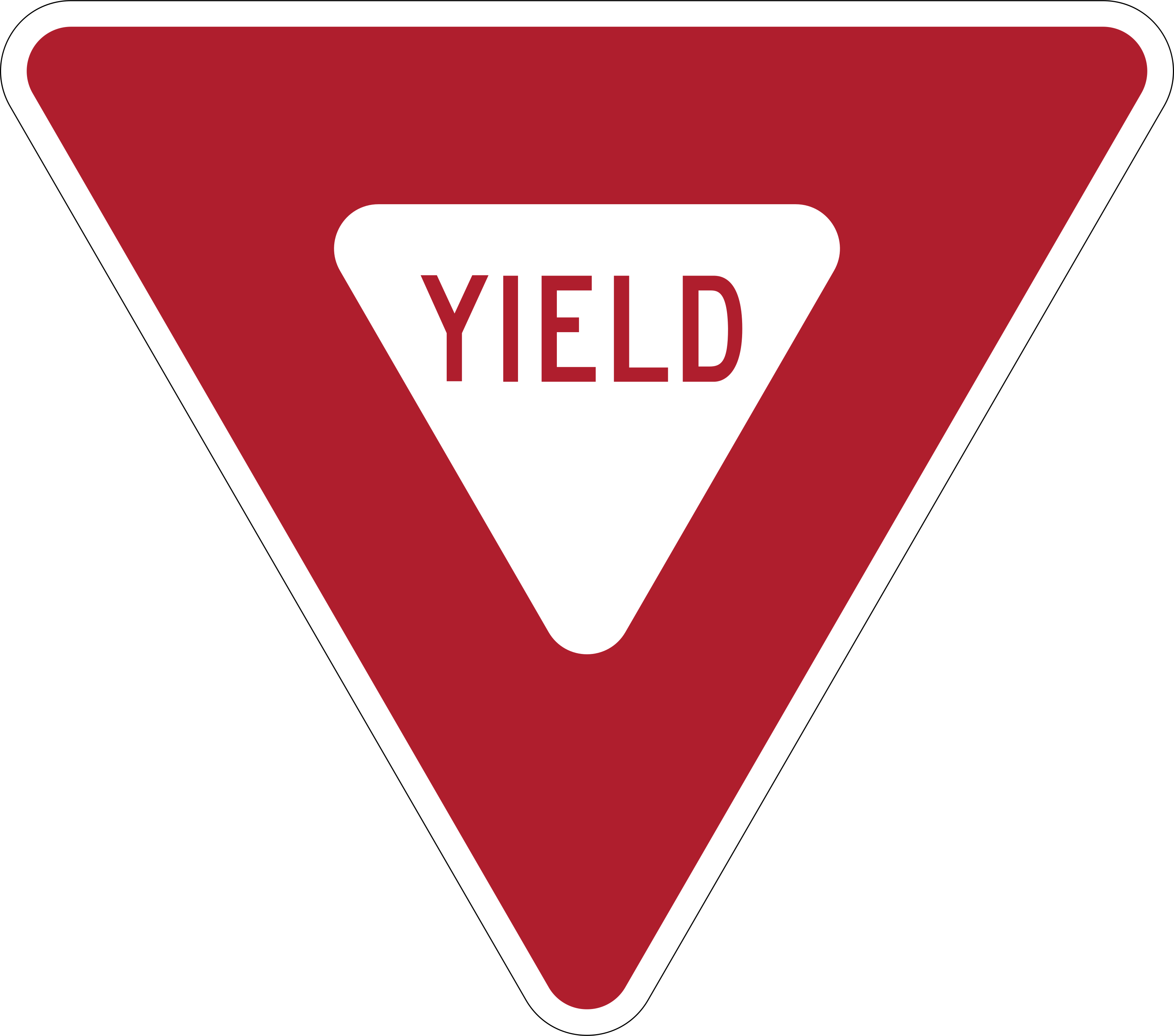
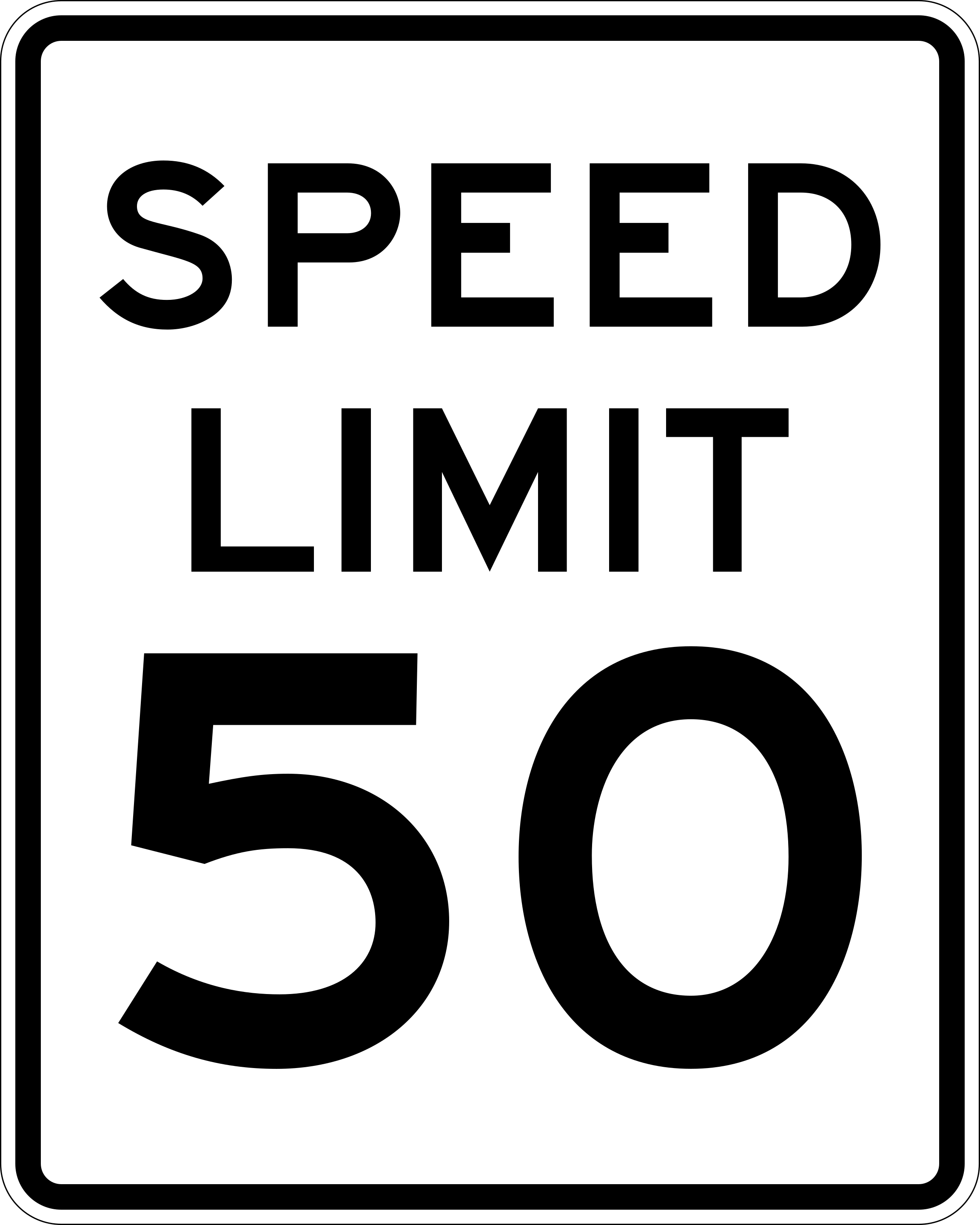
Learn to read signs by shape and color and you bank easy points. Here are a few you should know cold:



What to study for the Rhode Island written test
- Sign meanings, signal phases, and arrow indications
- Who proceeds first at junctions, crossings, and rotaries
- Legal speeds, school-zone reductions, and trailing distance
- Line markings on the roadway plus curb and parking rules
- Impairment laws, cyclist awareness, and low-visibility driving
Rhode Island test day checklist
- Your Social Security number plus documents proving identity and Rhode Island residency
- A guardian's signed permission for anyone under 18
- The completed application together with the fee payment
- Whatever corrective lenses you wear, ready for the vision check
How Rhode Island compares
| Requirement | Rhode Island | Typical US state |
|---|---|---|
| Questions on the test | 25 | 20–50 |
| Correct answers to pass | 20 | Varies |
| Passing score | 80% | 70–85% |
| Earliest permit age | 16 | 15–16 |
What happens if you do not pass the Rhode Island test?
You can miss up to 5 of the 25 questions and still pass (20 correct, 80%). Score below that and the DMV will let you retake the exam; waiting periods and retest fees are set by the Rhode Island Division of Motor Vehicles, so check their current policy. Before you retake it, review the category breakdown on your results page and read our guide on what to do after failing the written test.
Official Rhode Island DMV resources
Always confirm the current rules with the Rhode Island Division of Motor Vehicles (DMV). The question counts, passing scores, and permit ages on this page are taken from the official DMV handbook and licensing pages linked below.
Last verified against the official Rhode Island DMV handbook on June 20, 2026. If you notice anything that no longer matches the current handbook, please email achyuthkumark2001@gmail.com and we will update the page.
What to bring to the DMV in Rhode Island
Passing the written test is only half the visit. Most applicants also need:
- Proof of identity (passport or birth certificate)
- Proof of Rhode Island residency
- Social Security number or accepted alternative
- Parent or guardian documents if you are a minor
- Appointment confirmation if applicable
Find a DMV office in Rhode Island
When you are ready to take the real test, find your nearest DMV location.
Map results come from Google and may include third-party services. Always confirm the office location, hours, and whether an appointment is required on the official DMV website before visiting.
Keep preparing
Verified & Accurate
Our editorial team manually reviews all mock test questions against the latest official Rhode Island Division of Motor Vehicles handbook to ensure complete accuracy.
Last reviewed: June 6, 2026
Rhode Island permit test FAQ
How much does the Rhode Island permit cost?
$8.50 (age 18 and older); $13.50 (under 18). Permit issuance; listed as Permit Instructional (age 18 and older) $8.50 and Permit Limited (under age 18) $13.50. Listed fees include a $3.50 technology surcharge Credit card payments add a third-party service fee of at least $1.55 per transaction, or 2.40% for transactions of $65.00 and over. A duplicate permit is $13.50. The motorcycle permit is $28.50. See the full Rhode Island fee breakdown and official source on our permit cost page.
How many supervised driving hours does Rhode Island require?
Minimum of 50 hours of driving experience with a supervising driver, including 10 hours at night, certified by a parent or guardian affidavit. Confirm the current requirement and any logging rules with the Rhode Island Division of Motor Vehicles.
How big is the Rhode Island written exam?
It runs 25 questions, with 20 correct responses required for a pass.
Where is the passing line on the Rhode Island test?
Eighty percent. Put differently, no more than five misses across the 25 questions.
What age does Rhode Island set for a first permit?
Sixteen, in general. The Rhode Island Division of Motor Vehicles can confirm the rules currently in force.
Is this the same question bank the DMV uses?
It is not. These are independently written study questions covering the same ground as the exam. Keep the official manual in your study plan as well.
What does the Rhode Island practice test cost?
Zero. No payment, no account, no catch.
Do repeat attempts recycle the same questions?
No. The question selection reshuffles from a larger bank on every new attempt.
Sources
We summarize public information from the Rhode Island Division of Motor Vehicles in our own words. Confirm details with the official source: