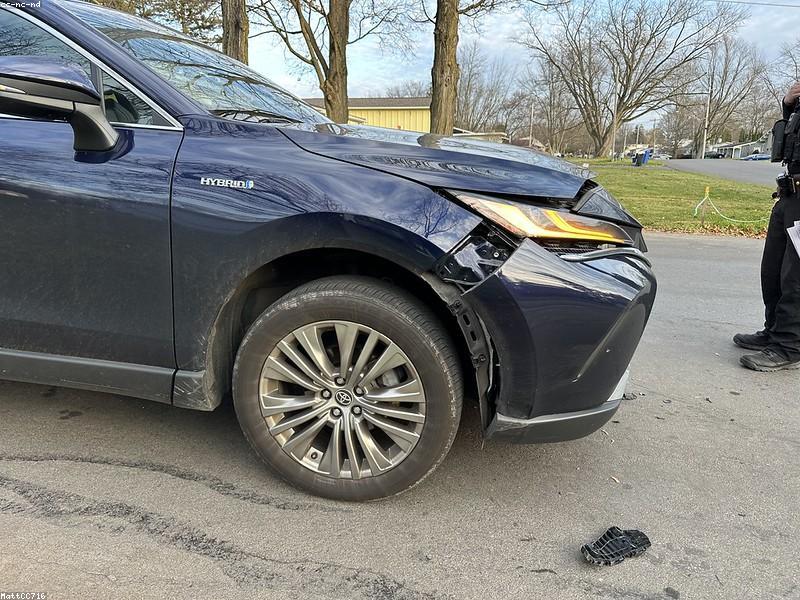
Essential Safety Tips for Long-Distance Driving

Embarking on a long-distance road trip can be an exciting adventure, offering the freedom to explore new destinations at your own pace. However, spending hours behind the wheel across unfamiliar highways requires careful preparation and a strong commitment to safety. Whether you are moving across the country, visiting family in a different state, or taking a cross-country vacation, long-distance driving presents unique challenges that differ significantly from your daily commute. The extended duration of the trip increases the physical and mental demands placed on the driver, elevating the risk of fatigue, distraction, and unexpected vehicle issues.
To ensure you reach your destination safely and without unnecessary stress, it is vital to adopt a proactive approach to your journey. This involves not only preparing your vehicle for the rigorous miles ahead but also preparing yourself mentally and physically. A successful road trip is built on a foundation of thorough planning, routine maintenance, and an understanding of how to manage the physical toll of prolonged driving. By implementing a series of practical safety measures, you can minimize risks and focus on enjoying the drive. In this comprehensive guide, we will explore essential safety tips designed to help you navigate long distances with confidence and security.
What this guide covers
- Conducting Pre-Trip Vehicle Maintenance Checks
- Planning Your Route and Scheduling Rest Stops
- Prioritizing Adequate Sleep Before Departure
- Recognizing and Managing Driver Fatigue
- Assembling a Comprehensive Emergency Roadside Kit
- Maintaining Proper Nutrition and Hydration
- Adapting to Inclement Weather Conditions
- Sharing the Driving Responsibilities
- Eliminating In-Car Distractions
Conducting Pre-Trip Vehicle Maintenance Checks
The reliability of your vehicle is the most critical factor in ensuring a safe road trip. Before you even pack your bags, you must perform a comprehensive inspection of your car to identify and address any potential mechanical issues. The prolonged stress of highway driving can exacerbate minor problems, turning a small leak or a worn belt into a major breakdown miles away from the nearest service station. Start by checking all essential fluid levels, including engine oil, transmission fluid, brake fluid, coolant, and power steering fluid. If your vehicle is nearing its next scheduled oil change, it is prudent to have it serviced before departure.
Tire condition is equally paramount for long-distance travel. Inspect the tread depth on all four tires and the spare to ensure they meet legal and safety requirements. Check the tire pressure when the tires are cold, adjusting them to the manufacturer's recommended levels found in the owner's manual or on the driver side door jamb. Improperly inflated tires can lead to poor handling, decreased fuel efficiency, and a higher risk of blowouts. Additionally, verify that all exterior lights, including headlights, taillights, brake lights, and turn signals, are functioning correctly. Replace any burnt out bulbs and ensure your windshield wipers are in good condition, replacing them if they leave streaks or fail to clear the glass effectively.
- Check engine oil, coolant, and brake fluid levels before departure.
- Inspect tire tread depth and verify correct tire pressure, including the spare.
- Test all exterior lights and replace worn windshield wiper blades.
Planning Your Route and Scheduling Rest Stops
A well planned route is a cornerstone of safe long-distance driving. Relying solely on a GPS device in real time can sometimes lead to unexpected detours or direct you through areas with poor road conditions or heavy traffic. Take the time to map out your primary route and identify potential alternative paths in case of road closures, accidents, or severe weather. Familiarize yourself with the major highways you will be traveling on and the estimated distances between major towns or cities. This geographic awareness will help you make informed decisions if you need to alter your plans on the fly.
Furthermore, scheduling regular rest stops is not a suggestion but a necessity for maintaining driver alertness. The human brain and body are not designed to remain in a seated, highly focused state for extended periods without breaks. Aim to stop and get out of the vehicle every two hours or every one hundred miles, whichever comes first. Use these breaks to stretch your legs, use the restroom, and allow your eyes to rest from the continuous strain of the road. These short intervals of physical activity increase blood flow and help reset your concentration, significantly reducing the likelihood of highway hypnosis and fatigue related accidents.
- Map out your primary route and identify viable alternative roads.
- Schedule a mandatory break every two hours or one hundred miles.
- Use rest stops to stretch, walk around, and refresh your concentration.
Prioritizing Adequate Sleep Before Departure
The foundation of a safe driving experience is a well rested driver. Starting a long journey with a sleep deficit severely impairs your cognitive functions, reaction times, and decision making abilities. The effects of sleep deprivation on driving performance are often compared to the impairments caused by alcohol intoxication. Therefore, it is critical to prioritize a full night of high quality sleep before the day of your departure. Aim for at least seven to eight hours of uninterrupted rest. Avoid the temptation to stay up late packing or finalizing trip details; these tasks should be completed well in advance to ensure your evening is reserved for relaxation and sleep.
If your schedule requires an early morning departure, adjust your sleep schedule gradually in the days leading up to the trip. Going to bed earlier than usual can be difficult, so create a conducive sleep environment by keeping the room cool, dark, and quiet. Avoid consuming caffeine or heavy meals in the hours leading up to bedtime, as these can disrupt your sleep cycle. Recognizing the importance of sleep and actively managing your rest will ensure you begin your journey alert, focused, and physically prepared for the demands of the road.
- Secure seven to eight hours of uninterrupted sleep the night before your trip.
- Complete packing and preparations early to avoid late night stress.
- Avoid caffeine and heavy meals close to bedtime to ensure quality rest.
Recognizing and Managing Driver Fatigue
Even with a good night of sleep, driver fatigue can set in during a long trip. The monotonous nature of highway driving, combined with the vibration of the vehicle and the constant hum of the engine, can induce a state of drowsiness. It is essential to be highly attuned to the early warning signs of fatigue. These signs include frequent yawning, heavy eyelids, difficulty keeping your head up, drifting out of your lane, or realizing you have no memory of driving the last few miles. If you experience any of these symptoms, you must take immediate action. Pushing through the tiredness is a dangerous gamble that frequently leads to severe accidents.
When fatigue strikes, the only true cure is sleep. Rolling down the windows, turning up the radio, or consuming large amounts of caffeine are temporary fixes that only mask the underlying exhaustion and often lead to a sudden and severe crash in energy levels shortly after. Instead, pull over at the next safe location, such as a designated rest area or a well lit parking lot, and take a short nap. A nap of twenty to thirty minutes can significantly restore your alertness and improve your driving performance. Do not park on the shoulder of the highway unless it is an absolute emergency, as this poses a severe risk of collision with passing traffic.
- Watch for signs of fatigue like yawning, heavy eyelids, and lane drifting.
- Pull over at a safe location immediately if you begin to feel drowsy.
- Take a twenty to thirty minute nap to effectively restore your alertness.
Assembling a Comprehensive Emergency Roadside Kit
No matter how well you prepare your vehicle, unexpected emergencies can still occur on the road. Being stranded on the side of a highway without the proper tools or supplies can turn a minor inconvenience into a dangerous situation, especially in remote areas or extreme weather conditions. Assembling and carrying a comprehensive emergency roadside kit is a fundamental aspect of responsible long-distance driving. Your kit should be easily accessible within the vehicle, rather than buried under luggage in the trunk, so you can reach it quickly in a stressful situation.
A well stocked emergency kit should include essential tools for minor repairs and items for personal safety. Key components include a set of high quality jumper cables, a portable tire inflator, a tire pressure gauge, a basic tool kit with screwdrivers and wrenches, and a reliable flashlight with extra batteries. For personal safety and visibility, pack reflective warning triangles or flares, a high visibility safety vest, and a comprehensive first aid kit. Additionally, carry ample provisions for unexpected delays, such as non perishable food items, several gallons of drinking water, and warm blankets or extra clothing in case you are stranded in cold weather.
- Keep the emergency kit easily accessible within the vehicle cabin or top of the trunk.
- Include jumper cables, a tire inflator, a flashlight, and warning triangles.
- Pack extra drinking water, non perishable food, and warm blankets for unexpected delays.
Maintaining Proper Nutrition and Hydration
What you consume during a road trip directly impacts your energy levels, focus, and overall physical comfort. It is common to rely on fast food and sugary snacks out of convenience when traveling, but these choices often lead to energy spikes followed by sudden crashes, increasing feelings of lethargy and drowsiness. To maintain steady energy levels, prioritize balanced nutrition throughout your journey. Pack a cooler with healthy snacks such as fresh fruits, vegetables, nuts, and complex carbohydrates. These foods provide sustained energy and help keep your mind sharp without the negative effects of highly processed foods.
Hydration is equally critical for driver alertness. Dehydration can cause headaches, fatigue, and decreased cognitive function, all of which impair your driving ability. Keep a reusable water bottle within easy reach and make a conscious effort to drink water consistently throughout the day. While caffeinated beverages like coffee or energy drinks can provide a temporary boost, they also contribute to dehydration and should be consumed in moderation alongside plenty of water. Avoiding excessive caffeine and sugary drinks will help you maintain a more consistent and reliable state of alertness behind the wheel.
- Pack healthy snacks like fruits and nuts for sustained energy.
- Avoid relying on fast food and sugary snacks that cause energy crashes.
- Drink water consistently and moderate your intake of caffeinated beverages.
Adapting to Inclement Weather Conditions
Weather can be unpredictable, especially when traveling across different states or regions. Encountering heavy rain, fog, snow, or high winds requires immediate adjustments to your driving behavior. The most important rule when facing adverse weather is to reduce your speed. Posted speed limits are designed for ideal, dry conditions; driving at the speed limit during a downpour or snowstorm is unsafe. Lowering your speed increases your reaction time and reduces the likelihood of losing control of the vehicle due to hydroplaning or slipping on ice.
In addition to reducing speed, you must increase your following distance from the vehicle ahead of you. Wet or icy roads significantly increase stopping distances. A good rule of thumb is to double or even triple the standard three second following distance in bad weather. Ensure your headlights are turned on to increase your visibility to other drivers, but avoid using high beams in fog or heavy snow, as the light will reflect back and impair your vision further. If the conditions become too severe to drive safely, find a safe place to pull off the road, such as a rest stop or a hotel, and wait for the weather to improve.
- Reduce your driving speed significantly when encountering poor weather.
- Increase your following distance to allow for longer stopping times.
- Pull off the road to a safe location if conditions become too hazardous.
Sharing the Driving Responsibilities
If you are traveling with companions who hold valid driver licenses, sharing the driving responsibilities is one of the most effective strategies for preventing fatigue and ensuring safety. Driving for hours on end is exhausting, and having a co-driver allows each person to take breaks, rest, and reset their focus. Establish a clear rotation schedule before you depart, planning to switch drivers every two to three hours during your planned rest stops. This systematic approach ensures that no single person bears the entire burden of navigating the long journey.
When you are not in the driver seat, use that time effectively to recuperate. While it can be tempting to stay awake and converse, it is often more beneficial to sleep or rest quietly, especially during the designated breaks in the rotation. The designated passenger can also assist the active driver by managing the navigation system, adjusting the climate control, and handling any necessary communication, thereby allowing the driver to maintain their complete focus on the road and surrounding traffic. Teamwork in the vehicle significantly enhances overall safety and makes the trip more enjoyable for everyone.
- Establish a rotation schedule to switch drivers every two to three hours.
- Use your time as a passenger to sleep or rest effectively.
- Assist the active driver by managing navigation and climate controls.
Eliminating In-Car Distractions
Distracted driving is a leading cause of accidents on highways, and the risk increases during long trips as boredom sets in. It is imperative to eliminate as many distractions from the vehicle cabin as possible. The most significant distraction for modern drivers is the smartphone. Before you put the vehicle in drive, set your phone to a Do Not Disturb mode or utilize built in driving modes that silence notifications and calls. If you must use your phone for navigation, secure it in a dashboard mount at eye level so you do not have to look down, and program your destination before you begin moving.
Other common distractions include eating messy foods, searching for items in the cabin, or dealing with unrestrained pets. Keep your vehicle organized so that essential items like sunglasses or water bottles are within easy reach. If you are traveling with pets, ensure they are securely fastened in a crate or with a pet seatbelt in the back seat to prevent them from interfering with your driving. By actively minimizing these internal distractions, you can maintain a higher level of situational awareness and react more quickly to the actions of other drivers or unexpected hazards on the road.
- Silence your mobile phone and use a dashboard mount for navigation.
- Keep the cabin organized to prevent searching for items while driving.
- Secure pets safely in the back seat with a crate or pet seatbelt.
FAQ
How often should I stop for a break during a long drive?
You should plan to stop at least every two hours or every one hundred miles, whichever comes first. These breaks are essential for stretching your legs, resting your eyes, and maintaining your overall alertness for the duration of the trip.
What should I do if I start feeling sleepy while driving on the highway?
If you begin to feel sleepy, you must pull over at the next safe and legal location, such as a rest area or a gas station. Do not try to push through the fatigue. Take a short nap of twenty to thirty minutes, which is proven to be the most effective way to restore alertness before continuing your drive.
Is it safe to use cruise control during a long trip?
Cruise control is very helpful for maintaining a consistent speed on long, open stretches of highway and can reduce foot fatigue. However, you should never use cruise control in heavy traffic, on winding roads, or during inclement weather such as rain, snow, or ice, as it can reduce your control over the vehicle.
What is the most important maintenance check before a cross-country trip?
While all fluid levels and brakes are important, checking your tires is arguably the most critical step. Ensure all tires, including the spare, have adequate tread depth and are inflated to the manufacturer's recommended pressure to prevent blowouts and ensure proper handling at highway speeds.
About the author
Achyuth Kumar
Founder & Lead Researcher
Achyuth Kumar Maintainer of dmvmocktest.com in 2025 after watching friends and family struggle to study from dense state driver handbooks. He personally researches each state’s official handbook from the licensing agency, drafts the practice questions in his own words, writes the plain-language explanation that accompanies every answer, and re-checks each bank against the published handbook before it goes live. He has reviewed all 50 US state driver handbooks, the federal CDL manual, and the MUTCD road sign standard, and he updates the content whenever a state revises its rules. He is not a state employee and dmvmocktest.com is independent of every DMV.
Ready to practice?
Take a free DMV mock test for your state with instant answers and explanations, the same exam format the real DMV uses.