What to Do Immediately After a Car Accident: A Step-by-Step Guide
Experiencing a car accident is a stressful and disorienting event that can happen to even the most cautious drivers. In the moments immediately following a collision, the rush of adrenaline often clouds judgment, making it difficult to know exactly what steps to take. However, the actions you perform at the scene and shortly thereafter are critical. They not only ensure the physical safety of everyone involved but also protect your legal rights and financial interests when dealing with insurance claims or potential lawsuits. Knowing exactly what to do can transform a chaotic situation into a manageable process.
This comprehensive guide provides a clear, step-by-step approach to navigating the aftermath of a car accident. Whether you are dealing with a minor fender bender or a more severe collision, following these procedures will help you gather the necessary information, interact with law enforcement appropriately, and lay a strong foundation for any claims you must file. By understanding these protocols in advance, you can remain calm, focused, and prepared to handle the situation methodically. Read on to learn the essential steps to take immediately after a car accident to safeguard your well-being and your future.
What this guide covers
- Stop the Vehicle and Secure the Scene
- Check for Injuries and Call First Responders
- Document the Accident Scene Thoroughly
- Exchange Information with the Other Driver
- Speak to Witnesses and Gather Their Details
- Notify Your Insurance Company Promptly
- Seek Medical Attention Promptly
- Maintain a File of All Accident Documents
Stop the Vehicle and Secure the Scene
The absolute first and most important legal requirement after any collision, regardless of how minor it might seem, is to stop your vehicle. Leaving the scene of an accident is a serious offense that can result in criminal charges, including hit-and-run penalties, hefty fines, and the suspension of your driving privileges. Once you have brought your car to a complete halt, you must focus on securing the immediate area to prevent further harm. If your vehicle is still operable and is blocking active traffic, try to move it to the shoulder or a safe location nearby. This reduces the risk of secondary collisions, which are unfortunately common and can be more severe than the initial impact.
After moving your vehicle to a safe spot, turn off the engine and activate your hazard lights. This signals to approaching drivers that there is an obstruction ahead and that they need to slow down. If you have them available and it is safe to do so, set up warning triangles or road flares a safe distance behind your vehicle. This is especially important at night or in conditions with poor visibility, such as heavy rain or fog. The primary goal in these initial moments is to control the environment as much as possible, minimizing the danger to yourself, your passengers, the other driver, and oncoming traffic.
- Never leave the scene of an accident under any circumstances.
- Move your vehicle out of active traffic lanes if it is safe and possible to do so.
- Turn on your hazard lights and deploy warning triangles to alert other drivers.
Check for Injuries and Call First Responders
Once the scene is as secure as possible, your immediate attention must turn to the physical well-being of everyone involved. Start by checking yourself for any signs of injury. Adrenaline can mask pain, so perform a careful self-assessment. If you are able to move without causing further harm, check on your passengers. After ensuring the safety of those in your vehicle, cautiously approach the other vehicle to check on the condition of its occupants. Do not attempt to move anyone who is severely injured unless there is an imminent threat to their life, such as a vehicle fire, as moving them could exacerbate spinal or internal injuries.
Regardless of the perceived severity of the accident, you must call 911 immediately. Having law enforcement and emergency medical personnel at the scene is crucial. When you speak with the dispatcher, provide them with your exact location, the number of vehicles involved, and a realistic assessment of any injuries. When the police arrive, they will conduct a preliminary investigation, interview all parties and witnesses, and create an official accident report. This police report is a vital piece of documentation for your insurance company and any potential legal proceedings. Always insist on filing a police report, even if the other driver attempts to convince you to handle the matter privately.
- Assess yourself and your passengers for injuries before exiting the vehicle.
- Call 911 to request police and emergency medical services immediately.
- Do not move severely injured individuals unless there is an immediate, life-threatening danger.
Document the Accident Scene Thoroughly
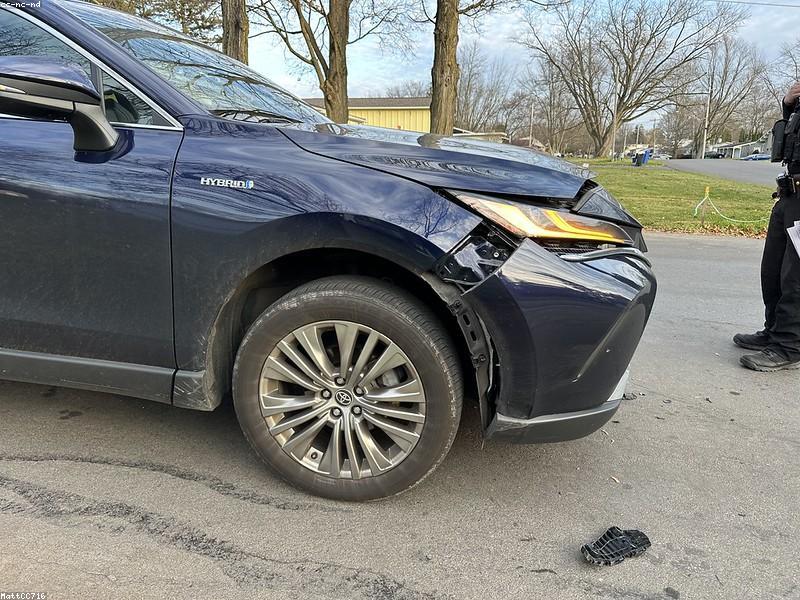
In the modern era, almost everyone carries a smartphone equipped with a high-quality camera. This tool is invaluable in the aftermath of a car accident. Before any vehicles are moved (if they have not been already) and before the scene is cleared, take extensive photographs and videos. Document the damage to all vehicles involved from multiple angles. Capture close-up shots of dents, scratches, and shattered glass, as well as wide shots that show the final resting positions of the cars relative to the road, intersections, and traffic signs. This visual evidence provides an objective record of the collision's impact.
Beyond the vehicles, document the surrounding environment. Take pictures of any skid marks on the road, debris scattered from the crash, damaged property like guardrails or signs, and the overall road conditions. Note the weather conditions, lighting, and any visual obstructions that might have contributed to the accident. If there are any visible injuries to yourself or your passengers, photograph those as well, provided it is appropriate and comfortable to do so. This comprehensive visual record will serve as undeniable proof of the circumstances surrounding the accident, protecting you against false claims or changing narratives from the other driver.
- Take extensive photos and videos of vehicle damage from multiple angles.
- Photograph the surrounding area, including skid marks, debris, and traffic signs.
- Record the weather, lighting, and road conditions at the time of the crash.
Exchange Information with the Other Driver
While waiting for the police to arrive, you must exchange essential information with the other driver involved in the collision. Approach this interaction calmly and politely, but remain strictly factual. You need to obtain their full name, current address, and a reliable contact telephone number. Additionally, ask to see their driver's license and write down the license number. It is also necessary to collect the make, model, year, and color of their vehicle, along with the exact license plate number and the Vehicle Identification Number if possible.
The most critical information to exchange is insurance details. Ask for the name of their insurance company and the specific policy number. If they have an insurance card, politely ask if you can take a clear photograph of it for your records, as this ensures all the details are captured accurately. During this exchange, limit your conversation strictly to gathering these facts. Do not apologize, do not admit fault, and do not discuss the specifics of how the accident occurred. Even a casual apology can be misconstrued as an admission of liability by insurance adjusters or opposing attorneys later on.
- Collect the other driver's full name, contact information, and driver's license number.
- Note the make, model, license plate number, and Vehicle Identification Number of their car.
- Obtain their insurance company name and policy number, preferably by photographing their insurance card.
Speak to Witnesses and Gather Their Details
Independent witnesses can be the deciding factor in resolving disputes about who is at fault in a car accident. Because they are not involved in the collision, their perspective is generally considered objective and reliable. Look around the immediate area for pedestrians, bystanders, or other drivers who may have stopped after witnessing the crash. Approach them respectfully and ask if they saw what happened. If they did, ask if they would be willing to provide a brief statement to the responding police officers.
Regardless of whether they can stay to speak with the police, it is vital that you collect their contact information. Ask for their full name, phone number, and email address. Jot down a quick note about where they were positioned when the accident occurred, as this establishes their line of sight. If a dispute arises later regarding liability, your insurance company or legal representative can contact these witnesses to corroborate your account of the events. Witness testimony is a powerful tool in ensuring a fair resolution to your claim.
- Identify and approach individuals who saw the accident occur.
- Ask for their full names, phone numbers, and email addresses.
- Request that they remain at the scene to provide a statement to the responding police officers.
Notify Your Insurance Company Promptly
Your auto insurance policy is a contract, and nearly all such contracts include a clause requiring you to report any accidents to the insurer within a reasonable timeframe. Failing to notify your insurance company promptly can result in the denial of your claim. As soon as you are safe and able, contact your insurance agent or use your insurer's mobile application to report the incident. Provide them with the basic facts: the date, time, and location of the accident, the contact information of the other driver, and the names of any responding police departments or officers.
When speaking with your insurance representative, stick to the objective facts as you know them. Do not speculate about the cause of the accident, and do not make sweeping statements about your health, such as claiming you are completely uninjured before you have been properly evaluated by a medical professional. The goal of this initial contact is simply to open the claim and fulfill your contractual obligation to report the event. The insurance adjuster will follow up later for a more detailed recorded statement, at which point you will have had time to review the police report and seek medical advice.
- Contact your insurance provider as soon as possible to report the collision.
- Provide factual details such as the date, time, location, and the other driver's information.
- Avoid speculating about fault or making definitive statements about your physical condition.
Seek Medical Attention Promptly
Even if you feel completely fine immediately after the accident, it is absolutely essential to seek medical attention. The force of a car crash puts immense strain on the human body, and injuries like whiplash, concussions, or internal bleeding often have delayed onset symptoms. The adrenaline rushing through your system can mask significant pain for hours or even days. By visiting an emergency room, urgent care clinic, or your primary care physician, you ensure that any hidden injuries are diagnosed and treated promptly, protecting your long-term health.
Beyond your physical well-being, obtaining a prompt medical evaluation is crucial for any potential personal injury claims. Medical records establish a direct, documented link between the car accident and the injuries you sustained. If you wait days or weeks to see a doctor, insurance adjusters will likely argue that your injuries were caused by an unrelated event that occurred after the crash, or that they are not as severe as you claim. Having immediate medical documentation protects your right to seek fair compensation for medical bills, pain, and suffering.
- Visit a doctor or emergency room immediately, even if you do not feel injured.
- Understand that adrenaline can mask the symptoms of serious injuries like whiplash or internal trauma.
- Maintain a clear medical record to link any injuries directly to the car accident.
Maintain a File of All Accident Documents
The aftermath of a car accident involves a significant amount of paperwork. To manage this effectively and ensure nothing is lost, create a dedicated file or folder specifically for all documents related to the crash. This should be a physical folder for printed documents and a secure digital folder for electronic files. Include a copy of the official police report, which you can usually request a few days after the incident. File all medical records, discharge papers, prescription receipts, and bills related to your treatment. These are essential for proving the extent and cost of your injuries.
Additionally, keep all correspondence with your insurance company and the other driver's insurance company in this file. This includes claim numbers, contact information for your assigned adjusters, and notes from any phone conversations. Retain estimates for vehicle repairs, towing receipts, and rental car agreements. Having all this documentation highly organized and readily accessible will make the claims process significantly smoother. If you eventually need to consult with a personal injury attorney, this comprehensive file will provide them with the detailed evidence they need to evaluate and build a strong case on your behalf.
- Create a dedicated folder to organize all paperwork and digital files related to the accident.
- Include the police report, all medical records, treatment bills, and repair estimates.
- Keep a detailed log of all communication with insurance adjusters and legal representatives.
FAQ
Do I have to call the police for a minor fender bender?
Yes, it is highly recommended to call the police for any accident, regardless of how minor it appears. A police report provides an objective, official record of the incident. This document is often required by insurance companies to process a claim efficiently. Furthermore, some states legally mandate reporting any accident that results in a certain amount of property damage. Without a police report, it becomes your word against the other driver's, which can complicate the claims process.
What should I do if the other driver does not have insurance?
If you discover the other driver is uninsured, you should still follow all standard procedures: call the police, document the scene, and collect their contact information. Do not accept any cash offers at the scene to settle the matter. Contact your own insurance company immediately. If you have uninsured motorist coverage as part of your policy, it will help cover your medical expenses and vehicle repairs. A police report is especially crucial in this scenario to verify the lack of insurance.
Should I admit fault if I think I caused the accident?
No, you should never admit fault at the scene of the accident, even if you believe you were responsible. Liability is often complex and depends on many factors you may not be aware of, including the other driver's actions or potential vehicle defects. Discuss the facts only with the responding police officers and your insurance company. Let the investigators and adjusters determine fault based on all available evidence. Admitting fault prematurely can severely damage your insurance claim.
About the author
Achyuth Kumar
Founder & Lead Researcher
Achyuth Kumar Maintainer of dmvmocktest.com in 2025 after watching friends and family struggle to study from dense state driver handbooks. He personally researches each state’s official handbook from the licensing agency, drafts the practice questions in his own words, writes the plain-language explanation that accompanies every answer, and re-checks each bank against the published handbook before it goes live. He has reviewed all 50 US state driver handbooks, the federal CDL manual, and the MUTCD road sign standard, and he updates the content whenever a state revises its rules. He is not a state employee and dmvmocktest.com is independent of every DMV.
Ready to practice?
Take a free DMV mock test for your state with instant answers and explanations, the same exam format the real DMV uses.