How to Drive a Stick Shift: A Comprehensive Manual Transmission Guide
Learning how to drive a stick shift, also known as a manual transmission, can seem daunting at first. However, mastering this skill offers a rewarding driving experience, greater control over your vehicle, and a deeper understanding of how cars operate. While automatic transmissions have become the standard in many parts of the world, manual vehicles are still widely used globally and are preferred by driving enthusiasts. This guide will take you step by step through the process of driving a manual car, from understanding the basic controls to confidently navigating traffic.
Driving a manual transmission requires coordination between your hands and feet. It involves understanding the relationship between engine speed and vehicle speed, and using the clutch pedal to manage that connection. With patience and practice, the movements will become second nature. Before you begin practicing, it is crucial to find a safe, open, and flat area, such as an empty parking lot, away from traffic and obstacles. Having an experienced driver in the passenger seat can also provide valuable guidance and reassurance during your first few attempts.
What this guide covers
- Understanding the Basic Mechanics of a Manual Transmission
- Getting Familiar with the Controls
- Starting the Engine and Moving Forward
- Upshifting to Higher Gears
- Downshifting and Slowing Down
- Stopping and Parking
- Common Mistakes and How to Avoid Them
Understanding the Basic Mechanics of a Manual Transmission
Before getting behind the wheel, it is helpful to understand what happens mechanically when you drive a manual car. In an automatic vehicle, the car handles gear changes for you based on speed and engine load. In a manual vehicle, you are entirely responsible for selecting the appropriate gear. The key components you will interact with are the engine, the transmission, the clutch, and the wheels. The engine generates power, and the transmission delivers that power to the wheels. The clutch is the mechanism that connects and disconnects the engine from the transmission.
When the engine is running and the clutch pedal is released, the engine is connected to the transmission. If the car is in gear, power flows to the wheels, and the car moves. When you press the clutch pedal down to the floor, you disconnect the engine from the transmission. This allows you to change gears or bring the car to a stop without stalling the engine. The goal of driving a manual is to smoothly engage and disengage the clutch while applying the right amount of throttle.
Understanding this connection is the most critical part of learning to drive a stick shift. If you release the clutch pedal too quickly without giving the engine enough power, the engine will stall, meaning it will abruptly shut off. If you give the engine too much power while releasing the clutch slowly, you will cause excessive wear on the clutch components. Finding the balance point, often called the bite point or friction zone, is where the engine and transmission begin to connect.
Getting Familiar with the Controls
Once you understand the basic mechanics, sit in the driver's seat and familiarize yourself with the controls. Unlike an automatic car, a manual vehicle has three pedals on the floor. From left to right, they are the clutch, the brake, and the gas pedal, which is also known as the accelerator. Your left foot is responsible solely for operating the clutch pedal. Your right foot will alternate between the brake and the gas pedal, exactly as it does in an automatic car.
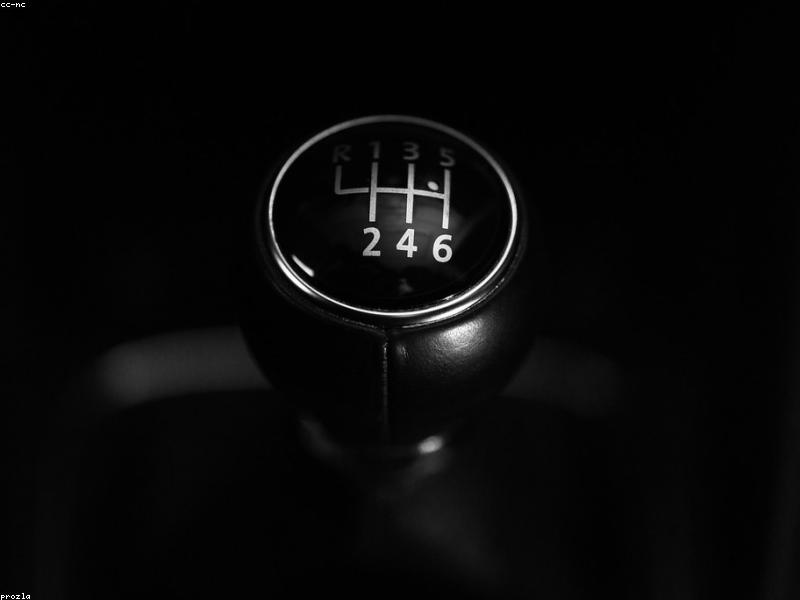
The next essential control is the gear shifter, typically located on the center console between the front seats. The gear shifter allows you to select different gears. Most modern manual cars have five or six forward gears and one reverse gear. Look at the top of the gear shifter knob; you will usually see a diagram showing the gear layout. Neutral is the position in the center where the shifter can move freely from left to right. When the shifter is in neutral, the engine is disconnected from the transmission, regardless of whether the clutch pedal is pressed.
Before turning the key, spend some time practicing the physical motions. Press the clutch pedal all the way to the floor with your left foot. Move the gear shifter through the gears, starting from first gear, moving to second, third, fourth, fifth, and finally sixth if your car has one. Return the shifter to neutral. Practice this sequence several times until you can find each gear without looking down at the shifter. Keeping your eyes on the road is vital when you are actually driving.
- Left pedal is the clutch, operated by your left foot.
- Middle pedal is the brake, operated by your right foot.
- Right pedal is the gas, operated by your right foot.
- The gear shifter layout is usually printed on the top of the knob.
- Neutral is the center position where the shifter moves freely side to side.
Starting the Engine and Moving Forward
Now that you are familiar with the controls, it is time to start the engine. Ensure the parking brake is engaged. Press the clutch pedal all the way to the floor with your left foot and hold it there. Place your right foot on the brake pedal. Check that the gear shifter is in the neutral position. Turn the ignition key or press the start button. The engine should start. Keep the clutch pedal depressed.
To get the car moving, keep your right foot on the brake and move the gear shifter into first gear. Slowly release the parking brake. Now, you need to find the bite point. Slowly and smoothly lift your left foot off the clutch pedal. Pay close attention to the sound and feel of the engine. As you reach the bite point, the engine RPM will drop slightly, and you will feel the car try to inch forward. If you release the clutch any further without applying gas, the car will likely stall.
When you feel the bite point, hold your left foot steady. Move your right foot from the brake pedal to the gas pedal. Gently press the gas pedal to apply a small amount of power. Simultaneously, continue to release the clutch pedal slowly and smoothly all the way. The car will begin to move forward. This coordinated movement between the left and right foot is the most challenging part of driving a stick shift. Do not be discouraged if you stall the engine. If that happens, simply press the clutch and brake pedals, put the car in neutral, and restart the engine.
Upshifting to Higher Gears
As the car gains speed, the engine will work harder, and the RPM will increase. You will hear the engine sound become louder and higher pitched. This indicates that it is time to shift to a higher gear. Generally, you will shift from first to second gear at around 10 to 15 miles per hour, or when the tachometer reaches about 2500 to 3000 RPM. Shifting smoothly at the right time ensures fuel efficiency and prevents unnecessary wear on the engine.
The process of upshifting involves a sequence of quick, coordinated actions. First, take your right foot off the gas pedal entirely. Immediately after, press the clutch pedal all the way to the floor with your left foot. Move the gear shifter straight down from first gear into second gear. Once the shifter is securely in second gear, slowly release the clutch pedal while simultaneously pressing the gas pedal gently with your right foot.
The transition should be smooth, without jerking the car. You will repeat this process as your speed increases, moving from second to third, third to fourth, and so on. Higher gears are designed for higher speeds and lower engine RPM. Remember to completely release the gas pedal before pressing the clutch, and do not ride the clutch by keeping your foot resting on it after the gear change is complete.
Downshifting and Slowing Down
Downshifting is the process of moving to a lower gear as your vehicle slows down. You need to downshift to keep the engine in its optimal power range and to prevent the engine from stalling or lugging. Lugging happens when you are in a gear that is too high for your current speed, causing the car to shudder and struggle for power. Downshifting is necessary when you are approaching a turn, climbing a steep hill, or coming to a stop.
To downshift, start by taking your right foot off the gas pedal and applying the brake to slow the car down to an appropriate speed for the lower gear. Press the clutch pedal to the floor. Move the gear shifter from your current gear to the next lower gear. For example, if you are in fourth gear, move the shifter to third gear. Slowly release the clutch pedal to engage the lower gear.
As you release the clutch during a downshift, you might experience engine braking. This is when the engine resistance helps slow the car down. To make the downshift smoother, you can perform a technique called rev matching. This involves blipping the gas pedal slightly while the clutch is depressed to match the engine speed with the lower gear before releasing the clutch. Rev matching takes practice but results in much smoother transitions and reduces wear on the clutch.
Stopping and Parking
Coming to a complete stop requires careful coordination to avoid stalling the engine. When you see a stop sign or a red light approaching, take your foot off the gas pedal and gently apply the brake. As your speed decreases and the engine RPM drops near idle speed, press the clutch pedal all the way to the floor. This prevents the engine from stalling as the wheels stop turning.
Keep both the clutch and the brake pedals pressed while you are stopped. To prepare to move again, ensure you are in first gear. When it is time to park the car, come to a complete stop with the clutch and brake pedals depressed. While keeping your foot on the brake, engage the parking brake securely.
With a manual transmission, it is good practice to leave the car in gear when parked to prevent it from rolling. If you are parking on a flat surface or facing uphill, shift into first gear. If you are facing downhill, shift into reverse. Once the car is in gear and the parking brake is set, you can turn off the engine and safely remove your feet from the pedals.
Common Mistakes and How to Avoid Them
Learning to drive a manual transmission involves trial and error, and certain mistakes are common among beginners. One frequent issue is riding the clutch. This occurs when you rest your left foot on the clutch pedal while driving. Even slight pressure can partially disengage the clutch, leading to premature wear and failure. Always rest your left foot on the dead pedal or floorboard when you are not actively changing gears.
Another common mistake is shifting into the wrong gear. This can happen if you grip the shifter too tightly or try to force it. Hold the shifter loosely and guide it into place; the internal springs are designed to help you find the gears. If you accidentally shift into a gear that is too low for your speed, the car will jerk violently and the engine RPM will spike, which can cause severe damage. Always pay attention to your speed and select the appropriate gear.
Stalling the engine is perhaps the most frustrating part of learning, but it is entirely normal. It usually happens when you release the clutch too quickly or do not apply enough gas when starting from a standstill. If you stall, remain calm, put the car in neutral, restart the engine, and try again. Practice finding the bite point repeatedly until you develop muscle memory for that specific vehicle.
FAQ
Can I skip gears when upshifting or downshifting?
Yes, it is perfectly fine to skip gears in a manual transmission car, provided your speed and engine RPM match the gear you are selecting. For instance, you might accelerate quickly in second gear and then shift directly to fourth gear once you reach cruising speed. Similarly, you can brake hard and downshift from fifth directly to second gear.
What happens if I accidentally shift into reverse while moving forward?
Modern manual transmissions have lockout mechanisms that prevent you from shifting into reverse while the car is moving forward at speed. You might hear a grinding noise if you attempt it at low speeds, but the system is designed to protect the transmission from catastrophic damage.
Is it bad to coast in neutral?
Coasting in neutral is generally discouraged. When you are in neutral, you lose engine braking and have less control over the vehicle in an emergency situation. It is safer to stay in gear and downshift as you slow down. Additionally, many modern fuel injected cars use zero fuel when coasting in gear, whereas idling in neutral does consume fuel.
How long does it take to learn how to drive a stick shift?
The time it takes to learn varies significantly from person to person. Most people can understand the basic mechanics and get the car moving within a few hours of practice in an empty parking lot. However, becoming comfortable and smooth in heavy traffic or on steep hills can take several days or weeks of regular driving.
About the author
Achyuth Kumar
Founder & Lead Researcher
Achyuth Kumar Maintainer of dmvmocktest.com in 2025 after watching friends and family struggle to study from dense state driver handbooks. He personally researches each state’s official handbook from the licensing agency, drafts the practice questions in his own words, writes the plain-language explanation that accompanies every answer, and re-checks each bank against the published handbook before it goes live. He has reviewed all 50 US state driver handbooks, the federal CDL manual, and the MUTCD road sign standard, and he updates the content whenever a state revises its rules. He is not a state employee and dmvmocktest.com is independent of every DMV.
Ready to practice?
Take a free DMV mock test for your state with instant answers and explanations, the same exam format the real DMV uses.