Motorcycle Gear Guide: What to Wear on Every Ride
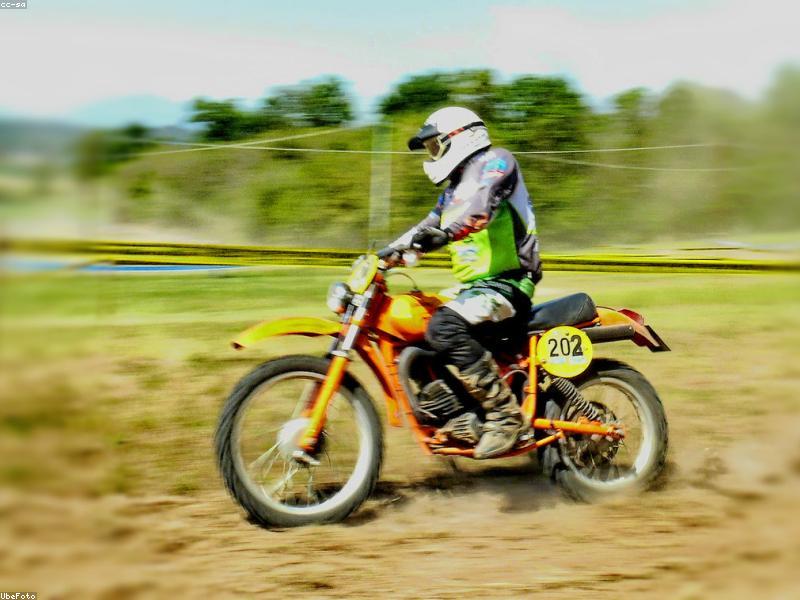
On a motorcycle there is no steel cage, no airbag, and no seatbelt between you and the road. Your gear is your only crumple zone, which is why rider courses and the knowledge test put so much weight on what you wear. The same gear that protects you in a fall also keeps you comfortable, alert, and visible on every ordinary ride, and that is the part new riders tend to underestimate.
Experienced riders sum this up in one phrase: ATGATT, short for All The Gear, All The Time. The idea is simple. You wear full protection on the short trip to the store the same as the long highway run, because crashes do not wait for the day you happened to dress for them. This guide walks through each layer the safety courses emphasize, from the helmet down to your boots, and explains why each one earns its place.
What this guide covers
- ATGATT: All The Gear, All The Time
- The Helmet: Your Most Important Piece
- Protect Your Eyes and Face
- Jacket and Pants: Abrasion and Armor
- Gloves and Sturdy Footwear
- Bright Colors and Reflective Material
- Dressing for the Weather
ATGATT: All The Gear, All The Time
ATGATT is less a rule than a habit. Most crashes happen close to home on familiar roads at lower speeds, exactly the trips where riders are tempted to skip a jacket or ride in sneakers. The principle removes that decision. If you only ever leave the driveway in full gear, you are never caught underdressed when something goes wrong.
It helps to remember that gear is not only for the worst case. A jacket blocks wind chill and bug strikes, gloves keep your hands from going numb, and a helmet cuts the roar that wears you down over miles. Protection and comfort come from the same equipment, so wearing it all the time is the easy choice once the habit sticks.
The Helmet: Your Most Important Piece
A helmet is the single most effective thing you can wear, and not all helmets are equal. Look for a DOT label, which means the helmet meets the federal safety standard known as FMVSS 218. That standard tests impact absorption, penetration resistance, and the strength of the retention strap, so a certified helmet is far more than decoration. Avoid novelty helmets that carry no DOT mark, since they offer little real protection.
Fit matters as much as the rating. A helmet should sit snugly all the way around with no pressure points, and it should not shift when you shake your head. A full-face helmet gives the most coverage because it protects your chin and jaw, areas that take a large share of impacts. Open-face and half helmets are lighter but leave your face exposed, so pair them with separate eye and face protection.
- Check for the DOT label certifying FMVSS 218 compliance
- Choose a snug fit that does not shift or leave pressure points
- Prefer a full-face helmet for chin and jaw coverage
- Replace any helmet that has taken a hard impact, even if it looks fine
Protect Your Eyes and Face
At highway speeds a stray pebble, an insect, or even wind alone can blind you for the moment it takes to lose control. That is why many states require eye protection unless your motorcycle has a windscreen, and why the knowledge test asks about it. A face shield, goggles, or shatter-resistant glasses all work, but ordinary sunglasses are not enough on their own.
Choose protection that seals against wind and stays clear in the conditions you ride. A tinted shield is fine for bright days but dangerous at night, so carry a clear option if you ride after dark. Keep the surface clean and free of deep scratches, because anything that scatters light at night turns oncoming headlights into a glare you cannot see through.
Jacket and Pants: Abrasion and Armor
If you go down, the road acts like a belt sander, and bare skin loses badly. A proper riding jacket and pants are built from abrasion-resistant material such as heavy leather or tough textile, and the good ones add impact armor at the shoulders, elbows, hips, and knees. That combination spreads a crash across the gear instead of your body, turning what could be a hospital stay into a bad scuff on your jacket.
Cover your whole body, not just your torso. Long sleeves and full-length pants are the baseline even in summer, because shorts and a t-shirt offer nothing in a slide. Riding-specific clothing also fits to stay put at speed and seals out wind, so it keeps you both safer and more comfortable than street clothes ever could.
- Wear long sleeves and full-length pants made for riding, never shorts
- Look for abrasion-resistant leather or textile with impact armor
- Make sure gear fits closely so armor stays over the joints it protects
- Treat summer heat as a reason for ventilated gear, not less gear
Gloves and Sturdy Footwear
Your hands and feet take a beating in any fall because they are what you instinctively put down. Full-fingered gloves protect your palms and knuckles while keeping a sure grip on the controls, and they cut the fatigue of wind and vibration on a long ride. Skip fingerless gloves for riding, since exposed fingertips are exactly what scrapes first.
On your feet, wear sturdy boots that rise over the ankle. Over-the-ankle footwear guards the bones that twist and break easily in a spill, and a firm sole grips the pegs and holds you steady at a stop. Sneakers and sandals leave too much exposed and can slip off, so save them for after you park.
Bright Colors and Reflective Material
The most common car-motorcycle crash ends with a driver saying the same four words: I did not see the rider. A motorcycle is narrow and easy to lose against traffic, so anything that makes you stand out buys you safety. Bright, light-colored gear in daylight and reflective material at night help drivers register you sooner, especially at intersections where most collisions happen.
Treat visibility as active safety equipment, not a fashion choice. A high-visibility jacket or vest, reflective strips on your helmet and boots, and even reflective accents on your bike all add up. You cannot force another driver to look, but you can make yourself much harder to overlook, and that margin is often the difference between a close call and a crash.
Dressing for the Weather
Weather affects a rider far more than a driver, because you sit out in all of it. Cold is the quiet danger. Wind chill at riding speed drops the temperature fast, and a chilled body grows stiff and slow, which sets the stage for fatigue and, in extreme cases, hypothermia. A tired, cold rider reacts late, so dressing warm is a safety measure, not just a comfort one.
Dress in layers you can add or shed as conditions change, and carry rain gear if there is any chance of getting wet, since a soaked rider loses heat even faster. Heat has its own risks, so use ventilated gear and stay hydrated rather than stripping down to nothing. Remember too that many manuals recommend full gear even where the law does not require it, because the law sets a floor, not the standard that keeps you alive.
- Layer up so you can adjust to changing temperatures on the move
- Treat wind chill as colder than the air, and dress to stay warm
- Pack rain gear, since a wet rider loses heat and grip quickly
- Follow manual recommendations for full gear even where law allows less
FAQ
What does ATGATT mean?
ATGATT stands for All The Gear, All The Time. It is the habit of wearing full protective gear on every ride, even short ones, because most crashes happen close to home on familiar roads at lower speeds.
How do I know if a helmet is safe?
Look for a DOT label, which means the helmet meets the federal FMVSS 218 standard for impact, penetration, and strap strength. It should also fit snugly without shifting, and a full-face design adds chin and jaw protection.
Why do bright colors and reflective gear matter so much?
Most car-motorcycle crashes end with the driver saying they did not see the rider. Bright colors in daylight and reflective material at night help drivers notice you sooner, especially at intersections where many collisions occur.
Do I need protective gear if my state does not require it?
Yes. Rider manuals recommend full gear even where the law does not require it. Laws set a minimum, but abrasion-resistant clothing, armor, gloves, and over-the-ankle boots protect you in a fall regardless of what is legally mandated.
About the author
Achyuth Kumar
Founder & Lead Researcher
Achyuth Kumar Maintainer of dmvmocktest.com in 2025 after watching friends and family struggle to study from dense state driver handbooks. He personally researches each state’s official handbook from the licensing agency, drafts the practice questions in his own words, writes the plain-language explanation that accompanies every answer, and re-checks each bank against the published handbook before it goes live. He has reviewed all 50 US state driver handbooks, the federal CDL manual, and the MUTCD road sign standard, and he updates the content whenever a state revises its rules. He is not a state employee and dmvmocktest.com is independent of every DMV.
Ready to practice?
Take a free DMV mock test for your state with instant answers and explanations, the same exam format the real DMV uses.