Speed Limits Explained: What Is Legal and Safe
Speed limits look simple, but they are one of the most misunderstood rules on the road. Many drivers treat the posted number as a target to hit, when in truth it is a ceiling for ideal conditions, not a promise that the speed is always safe. Speed is a factor in a large share of fatal crashes because it shrinks the time you have to react and lengthens the distance you need to stop. The written test returns to speed again and again, both as posted limits and as the broader duty to drive at a reasonable speed for the moment.
This guide explains how speed limits actually work: the basic speed law that underlies all of them, the meaning of posted and minimum limits, the special zones where limits drop sharply, and how to adjust your speed for weather, traffic, and visibility. Understanding the reasoning behind the numbers makes the test answers clear and keeps you in control when conditions turn against you.
What this guide covers
- The Basic Speed Law
- Posted and Absolute Speed Limits
- Minimum Speeds and Driving Too Slowly
- School Zones, Work Zones, and Residential Areas
- Adjusting Speed for Conditions
- Stopping Distance and Why Speed Multiplies Risk
- Speeding Penalties and Points
The Basic Speed Law
Every state has a version of the basic speed law, and it is the foundation under every posted number. It says you must never drive faster than is reasonable and safe for the current conditions, regardless of the limit on the sign. In other words, the posted limit is the maximum for a perfect day, and conditions can require you to go slower.
This is why you can receive a ticket for driving at the posted speed if conditions made that speed unsafe, such as heavy fog, ice, or a crowded parking lot. The law expects you to read the situation and choose a safe speed yourself. On the test, when a question describes rain, darkness, or heavy traffic, the correct answer almost always involves reducing speed below the posted limit, because the basic speed law puts safety ahead of the sign.
Posted and Absolute Speed Limits
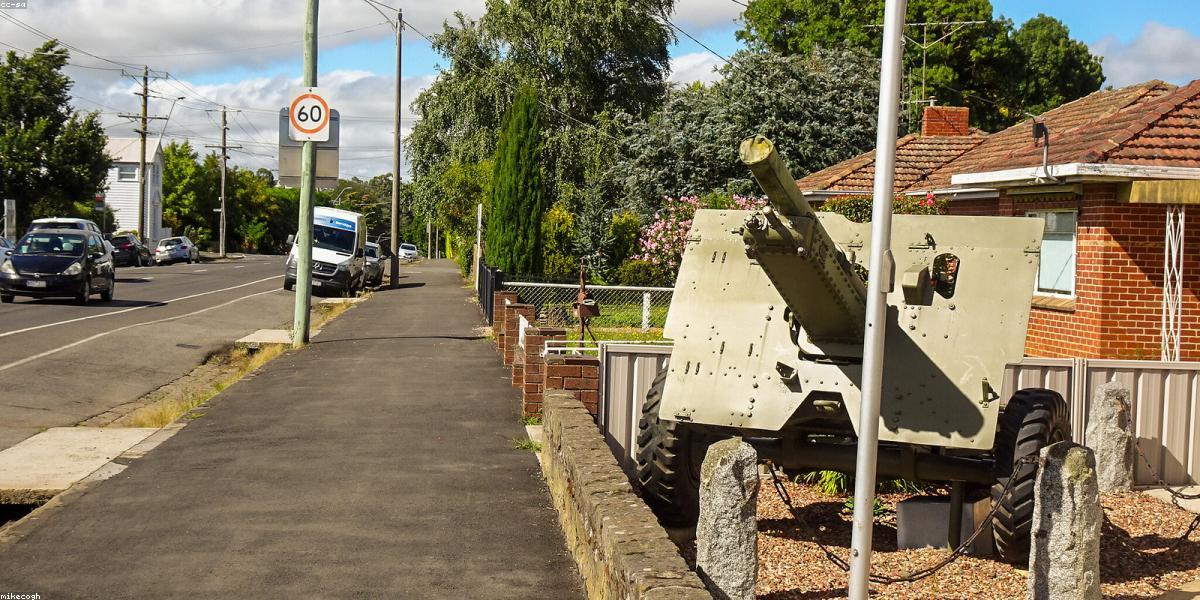
A posted speed limit is the maximum speed allowed on that road under good conditions, shown on a white rectangular sign. In most states these are absolute limits, meaning driving even a little over them is a violation, with no built-in cushion. The common belief that a few miles per hour over is always acceptable is a myth that leads to tickets.
Limits are set based on the road type, surrounding land use, and crash history. A residential street may be 25 miles per hour, a city arterial 35 to 45, a rural highway 55, and an interstate 65 to 75 or higher in some states. Where no sign is posted, prima facie limits set by state law apply, often around 25 in business and residential districts and lower near schools. Knowing the typical default for the kind of road you are on helps you choose a safe speed when no sign is in sight.
- Residential streets: commonly 25 miles per hour
- City and arterial roads: roughly 35 to 45 miles per hour
- Rural highways: commonly 55 miles per hour
- Interstates: 65 to 75 miles per hour, varying by state
Minimum Speeds and Driving Too Slowly
Speed limits work in both directions. On many highways a minimum speed is posted, and driving below it can be just as dangerous and just as illegal as speeding, because slow vehicles force others to brake and weave around them. A large speed difference between vehicles is a known crash risk, so keeping pace with traffic within the legal limit is part of safe driving.
If you must drive well below the flow of traffic, because of a problem with your vehicle or a heavy load, move to the right lane and use your hazard lights when appropriate. The left lane on a multi-lane highway is for passing and faster through traffic, not for cruising slowly. Blocking it is both unsafe and, in many states, a ticketable offense.
School Zones, Work Zones, and Residential Areas
Certain areas lower the limit sharply because the risk to people on foot is high. School zones often drop to 15 or 25 miles per hour during posted hours or when lights are flashing, and police enforce them strictly because children are unpredictable and hard to see. Slow down the moment you see a school zone sign and watch for crossing guards and students.
Work zones reduce speed to protect road crews and to handle narrowed or shifted lanes. Fines for speeding in a work zone are commonly doubled, and the penalty rises further if workers are present. Residential areas carry lower limits too, because driveways, parked cars, pedestrians, and playing children all create sudden hazards. In all three zones, the safest approach is to ease off early, cover the brake, and expect the unexpected.
- School zones: greatly reduced limits during posted hours or flashing lights
- Work zones: reduced limits with fines often doubled; watch for workers and shifted lanes
- Residential areas: lower limits because of driveways, parked cars, and children
- Always obey temporary limits, which override the normal posted speed
Adjusting Speed for Conditions
The posted limit assumes dry pavement, good light, and light traffic. When any of those change, the basic speed law expects you to slow down. Rain reduces traction and a common guideline is to cut your speed noticeably on wet roads, and more on snow or ice, where stopping distances grow several times longer. At night you should be able to stop within the distance your headlights reveal, which often means going below the posted limit on dark roads.
Traffic and road design matter as well. In heavy traffic, matching the flow and keeping a safe following distance is safer than weaving to gain a few seconds. On curves, hills, and unfamiliar roads, reduce speed so you can respond to whatever is around the bend. The goal is always the same: keep enough margin that a surprise, a stopped car, a pedestrian, a patch of ice, does not become a crash.
Stopping Distance and Why Speed Multiplies Risk
Speed does not raise risk in a straight line; it multiplies it. Your total stopping distance is the sum of the distance traveled while you perceive and react to a hazard and the distance the vehicle needs to brake. Reaction distance grows with speed, and braking distance grows with the square of speed, so doubling your speed roughly quadruples the braking distance.
This is why a small increase in speed has an outsized effect on both stopping distance and crash severity. A crash at 40 miles per hour carries far more energy than one at 30, not just a little more. Understanding this relationship is the practical reason behind every speed rule: the slower you are going, the more time and room you have to avoid trouble, and the less harm results if you cannot.
Speeding Penalties and Points
Speeding tickets cost more than the fine printed on them. Most states add points to your driving record for a speeding conviction, and accumulating points within a set period can lead to a license suspension. Insurance companies watch these records closely, and even one ticket can raise your premium for several years, often costing far more than the ticket itself.
For new drivers, the stakes are higher. Many states impose stricter rules during the learner and provisional stages, where a single serious speeding violation can extend the supervised period or delay full licensing. Excessive speeding, often defined as a set amount over the limit or above a fixed threshold, can bring heavy fines, mandatory court appearances, and even license loss. The cheapest and safest approach is simply to treat the posted limit as a maximum and to drive below it whenever conditions call for caution.
FAQ
Can I get a ticket for driving the speed limit?
Yes. The basic speed law requires you to drive at a speed that is safe for current conditions. In rain, fog, ice, or heavy traffic, the posted limit may be too fast, and you can be cited for driving too fast for conditions even at the posted speed.
Is it legal to drive a few miles per hour over the limit?
In most states posted limits are absolute, so any speed over the limit is a violation with no built-in cushion. The belief that a small amount over is always allowed is a myth that leads to tickets.
Can I be ticketed for driving too slowly?
Yes. Driving well below the flow of traffic or under a posted minimum speed is dangerous and often illegal, because it forces other drivers to brake and pass. If you must go slow, keep to the right lane.
Why are work zone speeding fines higher?
Work zones protect road crews and handle narrowed or shifted lanes, so the risk of a serious crash is high. Many states double the fine for speeding in a work zone, and penalties increase further when workers are present.
How does speed affect stopping distance?
Braking distance grows with the square of speed, so doubling your speed roughly quadruples the distance needed to stop. A small increase in speed has a large effect on both stopping distance and the severity of a crash.
About the author
Achyuth Kumar
Founder & Lead Researcher
Achyuth Kumar Maintainer of dmvmocktest.com in 2025 after watching friends and family struggle to study from dense state driver handbooks. He personally researches each state’s official handbook from the licensing agency, drafts the practice questions in his own words, writes the plain-language explanation that accompanies every answer, and re-checks each bank against the published handbook before it goes live. He has reviewed all 50 US state driver handbooks, the federal CDL manual, and the MUTCD road sign standard, and he updates the content whenever a state revises its rules. He is not a state employee and dmvmocktest.com is independent of every DMV.
Ready to practice?
Take a free DMV mock test for your state with instant answers and explanations, the same exam format the real DMV uses.