Sharing the Road With Trucks and Motorcycles
You do not drive alone. The road is shared with vehicles far bigger than yours and riders far more exposed than you, and each needs a different kind of care. A loaded truck cannot stop or turn like a car, while a motorcycle can disappear from view in an instant. Knowing how to behave around both is a core part of safe driving and a frequent topic on the written test.
This guide splits into two halves: how to share the road with large trucks, and how to share it with motorcycles and other riders. The thread that ties them together is space. Give these road users room, stay visible, and most of the danger disappears.
What this guide covers
- Big Trucks Need Room to Work
- Stay Out of the No-Zones
- Passing a Truck Safely
- Motorcycles Are Easy to Miss
- Give Riders the Space of a Car
- Weather Hits the Vulnerable Hardest
- Small Habits That Prevent Big Crashes
Big Trucks Need Room to Work
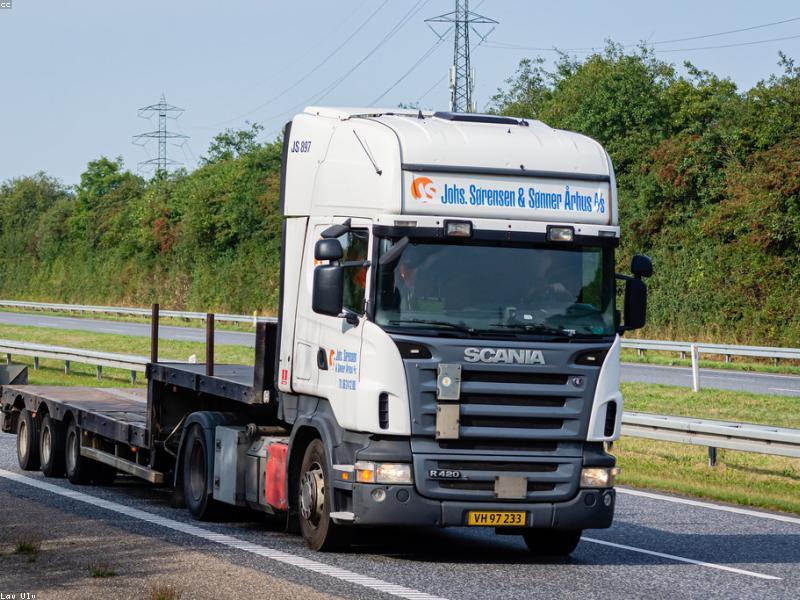
A fully loaded truck can weigh twenty to thirty times more than a car, and that weight changes everything about how it moves. It needs far more distance to stop, so cutting in front of one and then braking leaves the trucker no way to avoid you. It also needs to swing wide for turns, sometimes drifting left before turning right.
Respect that physics. Do not squeeze into the gap a truck leaves ahead of itself, since that gap is the driver's stopping distance. When a truck signals a turn, hang back and never try to pass on the side it is turning toward. The truck is not being slow on purpose. It simply cannot move like you do.
Stay Out of the No-Zones
Trucks have huge blind spots on all four sides, often called No-Zones. A simple test works well: if you cannot see the truck driver's face in their side mirror, they cannot see you either. Spending time in those zones means the driver may change lanes or slow without ever knowing you are there.
The blind spots are bigger than most drivers expect, so treat the area around a truck as space to move through, not space to sit in.
- Directly behind the trailer, where the driver cannot see you at all
- Alongside the cab, especially on the right side
- Just ahead of the truck, where your car drops below the hood line
- Wide areas on both sides stretching back along the trailer
Passing a Truck Safely
When you pass a truck, do it with purpose. Signal, move into the passing lane, and get through the truck's blind spot at a steady pace rather than creeping alongside. The less time you spend beside it, the less chance the driver makes a move while you are hidden.
Wait until you can see the whole front of the truck in your rear-view mirror before you return to its lane, then signal and move over without slowing abruptly. Passing on a downhill is easier since trucks pick up speed, while passing uphill takes longer because they lose it. Pick your moment and commit.
Motorcycles Are Easy to Miss
A motorcycle is small and narrow, which makes it hard to spot and easy to misjudge. Drivers often look right at a bike and still pull out, because the brain is scanning for car-sized shapes. Many car-on-motorcycle crashes happen at intersections when a driver turns across a rider's path.
The fix is to look twice and look specifically for bikes, especially before turning left or pulling out from a stop. A motorcycle's smaller size also makes it seem farther away and slower than it really is, so give yourself a wider margin before you assume you have time to go.
Give Riders the Space of a Car
Treat a motorcycle as a full vehicle with a full lane, because that is its legal right. Do not try to share a lane or squeeze past one within the same lane. A rider needs the whole width to adjust position, avoid potholes, and brace for wind from passing trucks.
Following distance matters even more behind a bike. Motorcycles can stop very quickly and they may slow by rolling off the throttle without the brake light flashing. Keep a larger cushion and stay alert.
- Allow a motorcycle the full lane, never share it
- Leave a longer following distance, since bikes stop fast
- Signal early so riders can read your intentions
- Check twice for bikes before turning or changing lanes
Weather Hits the Vulnerable Hardest
Rain, wind, and cold affect trucks and motorcycles more than cars. Strong gusts can push a high-sided trailer or shove a motorcycle across part of its lane, so give both extra room when the weather turns. On wet roads, painted lines and metal covers become slippery, and riders often shift within the lane to avoid them.
When you see a rider move toward one side of the lane, do not read it as an invitation to pass closely. They are managing a hazard you may not see. Slow down, hold your distance, and let everyone reach the next mile safely.
Small Habits That Prevent Big Crashes
Sharing the road well is mostly a set of small, repeatable habits rather than dramatic moves. Signal earlier than feels necessary, because both truckers and riders plan their position well ahead and need to know what you intend. Check your mirrors and blind spots before every lane change, since that is where the worst surprises hide.
Patience does the rest. Do not let a slow truck or a cautious rider pressure you into a risky pass. Wait for a clear stretch, commit fully, and give wide clearance as you go by. Every extra foot of space you leave is space that absorbs a mistake, theirs or yours, and turns what could have been a collision into a non-event.
FAQ
Why should I avoid driving beside a large truck?
The areas alongside a truck are deep blind spots called No-Zones. If you cannot see the driver in their mirror, they cannot see you, and they may change lanes or slow without knowing you are there.
How do I pass a truck the right way?
Signal, move over decisively, and pass through the blind spot at a steady speed. Return to the truck's lane only after you can see its entire front in your rear-view mirror, then signal and merge smoothly.
Why are motorcycles so hard to see?
Bikes are small and narrow, so drivers scanning for car-sized shapes often overlook them. Their size also makes them appear farther away and slower than they are, which causes many turning crashes.
Can I share a lane with a motorcycle?
No. A motorcycle is entitled to the full width of the lane. Never try to share or squeeze past one within the same lane, since the rider needs the space to adjust position and react to hazards.
About the author
Achyuth Kumar
Founder & Lead Researcher
Achyuth Kumar Maintainer of dmvmocktest.com in 2025 after watching friends and family struggle to study from dense state driver handbooks. He personally researches each state’s official handbook from the licensing agency, drafts the practice questions in his own words, writes the plain-language explanation that accompanies every answer, and re-checks each bank against the published handbook before it goes live. He has reviewed all 50 US state driver handbooks, the federal CDL manual, and the MUTCD road sign standard, and he updates the content whenever a state revises its rules. He is not a state employee and dmvmocktest.com is independent of every DMV.
Ready to practice?
Take a free DMV mock test for your state with instant answers and explanations, the same exam format the real DMV uses.