Safe Following Distance and the 3-Second Rule

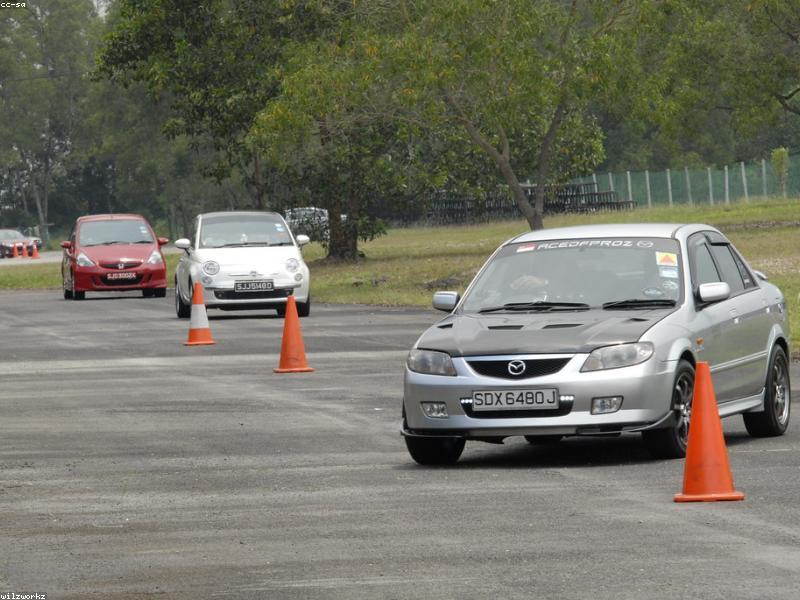
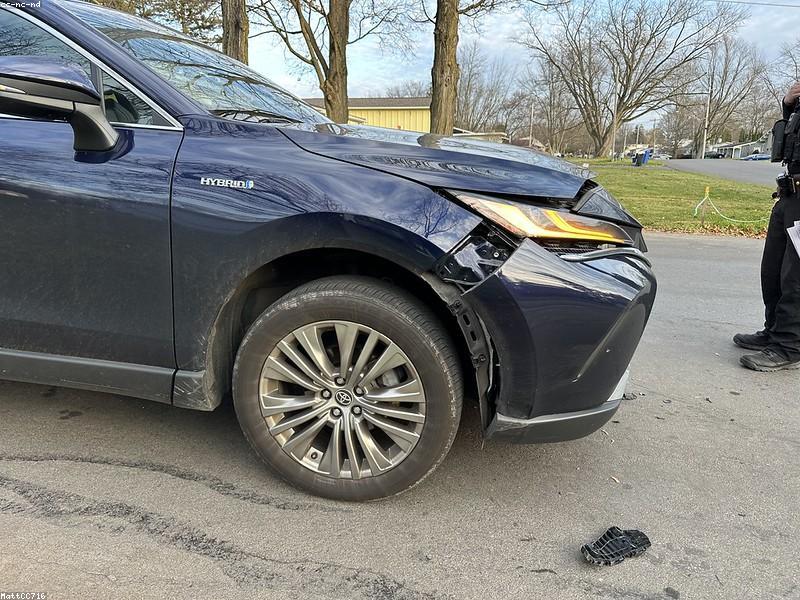
Most rear-end crashes come down to one thing: not enough space. When the car ahead brakes suddenly, the only thing that saves you is the gap you left and the time it buys. Following distance is the cheapest safety feature you own, and it costs nothing but a little patience.
The challenge is judging distance at speed, which is hard to do in feet or car lengths. That is why drivers use time instead of distance. This guide explains the 3-second rule, shows how to add seconds when conditions get worse, and covers the calm way to handle a tailgater riding your bumper.
What this guide covers
- Why Following Distance Matters
- How to Use the 3-Second Rule
- When to Add More Seconds
- Stopping Distance Is More Than Reaction
- What to Do When Someone Tailgates You
- Keep a Cushion on Every Side
- Common Following-Distance Mistakes
Why Following Distance Matters
Stopping a car is not instant. First your brain notices the danger, then your foot moves to the brake, and only then does the car begin to slow. All of that happens while you are still rolling forward at full speed. The space ahead is what absorbs that delay.
Tailgating removes the cushion entirely. With no gap, even a small surprise turns into a collision because there is no time to react. Leaving room is not timid driving. It is the single habit that prevents the most common crash on the road.
How to Use the 3-Second Rule
The 3-second rule turns a hard distance judgment into an easy counting exercise that works at any speed. Pick a fixed object ahead, such as a sign, a pole, or a shadow across the road. When the car in front of you passes it, start counting.
Count slowly: one thousand one, one thousand two, one thousand three. If you reach the object before you finish counting, you are following too closely and should ease back. If you pass it after three seconds, your gap is reasonable for normal, dry conditions. Because it is based on time, the rule automatically gives you more distance the faster you go.
When to Add More Seconds
Three seconds is a fair-weather minimum, not a maximum. Whenever conditions reduce your grip or your visibility, the safe move is to stretch the gap to four, five, or even six seconds. Adding time is free and it gives you room to react when the road is working against you.
Think of it as a sliding scale. The worse the conditions, the more seconds you add. The list below covers the situations where a bigger cushion makes the biggest difference.
- Rain, snow, or ice: at least double your following time
- Fog or darkness, when you can see less of the road ahead
- Following or being followed by a large truck or bus
- Towing a trailer or carrying a heavy load
- Slippery leaves, gravel, or a road you do not know well
Stopping Distance Is More Than Reaction
Your total stopping distance has two parts. The first is reaction distance, the ground you cover between seeing a hazard and touching the brake. The second is braking distance, the ground the car covers while actually slowing to a stop. Both grow as speed rises.
Here is the part that surprises people: braking distance grows much faster than speed. Doubling your speed roughly quadruples the distance needed to stop. That is exactly why a time-based gap is so useful, since it expands the faster you drive, matching the longer distance your car will need.
What to Do When Someone Tailgates You
When another driver follows too closely, the instinct to speed up or brake-check them only makes things more dangerous. The safe response is the opposite. Increase the gap in front of your own car, so you have extra room to slow down gently rather than suddenly if traffic stops.
If the tailgater stays glued to you, move over and let them pass when it is safe. Your goal is not to teach them a lesson. It is to put distance between your car and an unpredictable driver. Staying calm and giving them room is always the smarter choice.
Keep a Cushion on Every Side
Following distance protects the front of your car, but good drivers think about space in every direction. This is sometimes called a space cushion: room ahead to react, room behind by not braking harder than needed, and room to the sides by avoiding driving directly beside other vehicles for long stretches.
When traffic boxes you in on all sides, gently adjust your speed to open at least one escape path. If something goes wrong ahead, you want somewhere to steer, not just somewhere to stop. A car with space around it has options, and options are what prevent a near miss from becoming a crash.
Common Following-Distance Mistakes
Most following errors are habits people do not notice. Spotting them in your own driving is the fastest way to build a safer gap, so be honest about which of these you tend to do.
- Creeping forward at red lights until you are inches from the bumper ahead
- Closing the gap on the highway because another driver might merge into it
- Keeping a three-second gap in heavy rain when you need five or six
- Speeding up when a tailgater appears instead of letting them pass
- Staring at the car directly ahead instead of looking several vehicles down the road
FAQ
What is the 3-second rule?
It is a way to measure following distance using time. When the car ahead passes a fixed object, count one thousand one, one thousand two, one thousand three. If you reach the object before finishing, you are too close.
How much following distance should I leave in the rain?
At least double it. In rain, snow, or ice, stretch your gap to four to six seconds or more, because wet and slick roads sharply increase the distance your car needs to stop.
Does the 3-second rule work at high speed?
Yes. Because it measures time rather than feet, the gap automatically grows as you drive faster, which matches the longer distance a car needs to stop at higher speeds.
What should I do if someone is tailgating me?
Increase the space in front of your own car so you can slow gradually, and let the tailgater pass when it is safe. Do not speed up or brake suddenly to discourage them.
About the author
Achyuth Kumar
Founder & Lead Researcher
Achyuth Kumar Maintainer of dmvmocktest.com in 2025 after watching friends and family struggle to study from dense state driver handbooks. He personally researches each state’s official handbook from the licensing agency, drafts the practice questions in his own words, writes the plain-language explanation that accompanies every answer, and re-checks each bank against the published handbook before it goes live. He has reviewed all 50 US state driver handbooks, the federal CDL manual, and the MUTCD road sign standard, and he updates the content whenever a state revises its rules. He is not a state employee and dmvmocktest.com is independent of every DMV.
Ready to practice?
Take a free DMV mock test for your state with instant answers and explanations, the same exam format the real DMV uses.