Parallel Parking Tips for Your Road Test
Parallel parking is the part of the road test that worries new drivers most, and it is worth being clear about one thing up front: this is a behind-the-wheel skill, not a written test question. You will not pass it by reading; you pass it by practicing until the movements feel automatic. The good news is that parallel parking follows a predictable sequence. Once you learn the steps and a few reliable reference points, it becomes a repeatable maneuver rather than a guessing game.
Examiners are not looking for perfection on the first try. They want to see that you can position the car safely, control it at low speed, and end up reasonably close to the curb without hitting anything. This guide breaks the maneuver into clear steps, gives you reference points you can actually use, lists the mistakes that cost people points, and explains what examiners watch for so you know exactly where to focus your practice.
What this guide covers
- Set Up Before You Start
- The Step-by-Step Method
- Reference Points That Actually Help
- Common Mistakes to Avoid
- What Examiners Are Looking For
- How to Practice Effectively
Set Up Before You Start
Good parallel parking begins before you move an inch. As you approach the space, signal to show your intention, then pull up alongside the vehicle in front of the spot. Position your car roughly parallel to that vehicle, leaving about two to three feet of side gap, with your rear bumpers roughly even with each other.
Check your mirrors and look over your shoulder for traffic and any cyclists or pedestrians before you begin. The setup position matters enormously, because a poor starting angle makes the rest of the maneuver harder than it needs to be. Take a breath, get the spacing right, and only then shift into reverse. Rushing the setup is where many otherwise-capable drivers lose control of the attempt.
The Step-by-Step Method
With your car positioned alongside the front vehicle, the maneuver follows a consistent sequence. Practice it the same way every time so the movements become muscle memory rather than a fresh puzzle on test day.
- Shift into reverse and begin backing up slowly with the wheel straight
- When your rear axle is about even with the rear bumper of the front car, turn the wheel fully toward the curb
- Back slowly until your car sits at roughly a forty-five degree angle to the curb
- Straighten the wheel briefly and continue backing while watching your mirrors
- When the front of your car clears the rear bumper of the front vehicle, turn the wheel fully away from the curb
- Ease back until the car is parallel and centered in the space, then straighten the wheels
- Shift to drive and adjust forward or back to leave even room front and rear
Reference Points That Actually Help
Reference points turn an abstract maneuver into a checklist you can follow with your eyes. They vary slightly by car and seat position, so confirm yours during practice, but the common ones are dependable. A frequent first cue is the rear window or the back door of the car beside you: when your rear axle lines up near the back bumper of the front vehicle, that is usually the moment to begin your first turn.
As you reverse, use your side mirrors to watch the curb and the car behind the space. Many drivers use the appearance of the rear vehicle headlight or the curb in the passenger mirror as the signal to begin straightening. The exact landmarks matter less than choosing consistent ones and using them every single time. Reference points only work when they are reliable, so lock yours in during practice and trust them on test day.
Common Mistakes to Avoid
Most failed parallel parking attempts come from the same handful of errors, and knowing them lets you guard against each. Going too fast is the biggest one, because speed removes your time to read reference points and correct. Parallel parking should be done slowly, almost creeping, with steady control of the brake.
Other frequent mistakes include starting too far from the front car, which leaves you too far from the curb at the end, and turning the wheel at the wrong moment, which throws off the whole angle. Forgetting to check mirrors and blind spots can fail you on safety grounds even if the parking itself is fine. Finishing too far from the curb is another common point-loser. Aim to end within about a foot of the curb without touching it, and never bump the cars in front or behind.
- Moving too fast instead of creeping slowly with brake control
- Starting with the wrong side gap or uneven bumpers
- Turning the steering wheel too early or too late
- Failing to check mirrors and blind spots during the maneuver
- Ending too far from the curb or touching another vehicle
What Examiners Are Looking For
Examiners grade the maneuver on safety and control, not on a flawless single motion. They want to see that you check your surroundings, including mirrors and blind spots, before and during the maneuver. They watch your speed, expecting slow and deliberate movement rather than quick jerks of the wheel and pedal.
They also look at your final position. The car should end reasonably parallel to and close to the curb, within the limits your state sets, without striking the curb or the surrounding vehicles. Importantly, most examiners allow you to pull forward and back to correct your position, so a small adjustment is normal and expected, not a failure. What they will mark down is unsafe behavior, hitting something, or ending up dangerously far into the lane. Show calm control and reasonable accuracy, and you meet the standard.
How to Practice Effectively
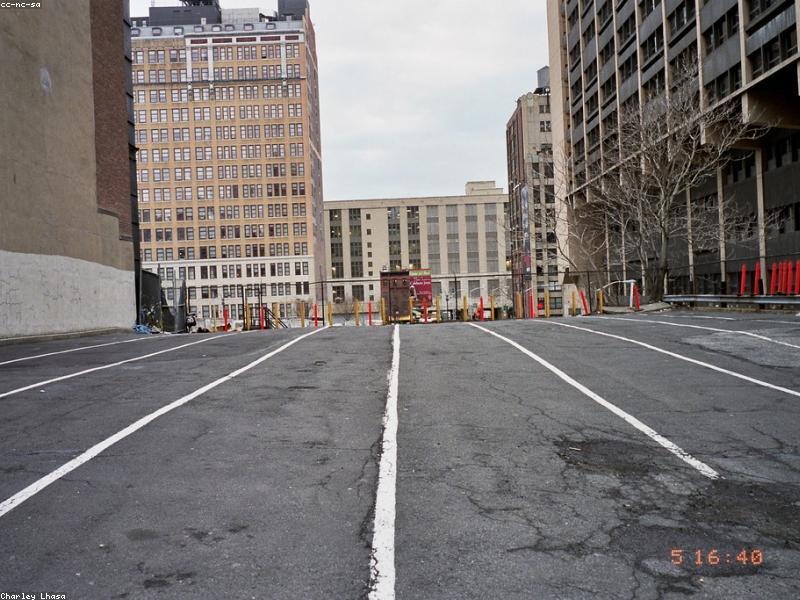
Practice in a real space with cones or in a quiet street where you can repeat the maneuver many times without pressure. Repetition is what turns the steps into instinct, so do not stop after one good attempt. Aim to get it right several times in a row from different starting positions, because the test space may be larger or tighter than you expect.
Practice with the same car you will use for the test if possible, since reference points shift between vehicles. Once you can park smoothly without talking yourself through every step, add mild pressure by having someone watch, which mimics the examiner. The goal is to make the maneuver so familiar that test-day nerves cannot shake it. Confidence here comes only from repetition, so put in the slow, patient practice and the test becomes routine.
FAQ
Is parallel parking on the written test?
No. Parallel parking is a behind-the-wheel skill tested during the road test, not the written knowledge exam. You pass it through practice and control, not by memorizing rules, though knowing the steps helps you practice well.
How close to the curb do I need to be?
Most states want you within roughly a foot of the curb without touching it. The exact distance varies, so check your state standard. Ending parallel and reasonably close, without striking the curb, is the goal.
Can I pull forward and back to fix my position?
Usually yes. Most examiners allow you to adjust forward and back to center the car and reach the curb. A small correction is normal and expected. What hurts you is unsafe movement or hitting another vehicle.
What is the most common reason people fail parallel parking?
Going too fast and losing control is the top cause, followed by poor setup and not checking mirrors and blind spots. Slow, deliberate movement with consistent reference points prevents most failures.
How much should I practice before the test?
Practice until the maneuver feels automatic from several starting positions, ideally in the same car you will use. Repetition builds the muscle memory that holds up under test-day nerves, so do not stop after a single success.
About the author
Achyuth Kumar
Founder & Lead Researcher
Achyuth Kumar Maintainer of dmvmocktest.com in 2025 after watching friends and family struggle to study from dense state driver handbooks. He personally researches each state’s official handbook from the licensing agency, drafts the practice questions in his own words, writes the plain-language explanation that accompanies every answer, and re-checks each bank against the published handbook before it goes live. He has reviewed all 50 US state driver handbooks, the federal CDL manual, and the MUTCD road sign standard, and he updates the content whenever a state revises its rules. He is not a state employee and dmvmocktest.com is independent of every DMV.
Ready to practice?
Take a free DMV mock test for your state with instant answers and explanations, the same exam format the real DMV uses.