What Documents Do You Need for a Learner's Permit?
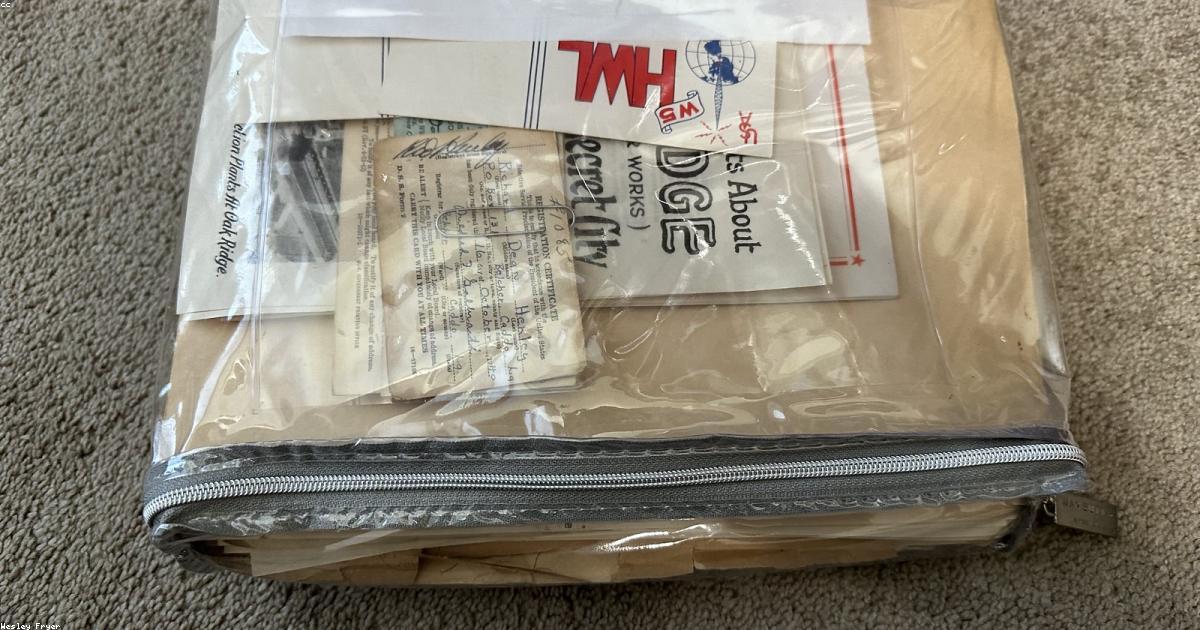
One of the most frustrating ways to start your driving journey is to study hard, pass the written test, and then get turned away at the counter because you brought the wrong paperwork. Document requirements catch a lot of first-time applicants off guard, and a single missing or mismatched document can send you home to gather more and book a whole new appointment.
While the exact list varies by state, the categories of documents are remarkably consistent across the country. This guide explains what each category proves, why the DMV asks for it, and gives you a practical checklist so your trip to the office goes smoothly the first time. Confirm the precise list with your state agency before you go, since the accepted documents within each category differ.
What this guide covers
- Proof of Identity
- Proof of Social Security Number
- Proof of Residency
- Documents for Minors
- Watch Out for the REAL ID Distinction
- Before You Go: A Quick Checklist
Proof of Identity
The DMV needs to confirm that you are who you say you are. This usually means a primary identity document that establishes your full legal name and date of birth. Common examples include a certified birth certificate, a valid passport, or a permanent resident card. The point is to tie a real, verifiable identity to the permit being issued, which is why this category is treated more strictly than the others.
Photocopies are often not accepted for identity documents. Bring originals or certified copies issued by the appropriate agency, not a scan or a picture on your phone. If your current legal name differs from the one on your birth certificate, you may also need documents that show the chain of changes, such as a marriage certificate or court order. Make sure every name links cleanly from the birth document to the name you use today, because a gap in that chain is a frequent reason applications stall.
Proof of Social Security Number
Most states require you to provide your Social Security number or proof that you are not eligible for one. The simplest way to satisfy this is your Social Security card, but states often accept alternatives if you cannot find the card itself.
Acceptable substitutes can include a W-2 form, a pay stub showing your full number, or certain government documents that display it. Check your state list in advance, because the accepted alternatives differ and you do not want to make a second trip over a single document. If you have never been issued a number and are not eligible for one, your state will have a specific path for that situation, so look it up rather than guessing at the counter.
Proof of Residency
You generally must prove that you live in the state where you are applying. States commonly ask for two separate documents that show your name and current physical address, not a post office box. The reasoning is straightforward: your license is issued by your state of residence, so the office wants evidence that you actually live there.
These documents should be reasonably recent, often within the last sixty to ninety days. If you are young and do not yet have bills in your own name, many states allow a parent or guardian to provide residency documents along with proof of your relationship, but the exact accommodation varies, so confirm it ahead of time.
- A utility bill such as electricity, water, or gas
- A bank or credit card statement
- A rental or lease agreement
- A current insurance statement
- An official piece of government mail
- A pay stub or employer document showing your address
Documents for Minors
If you are under eighteen, there are usually a few extra requirements. A parent or legal guardian typically must come with you to sign a consent form, since they are accepting some legal and financial responsibility for your driving. Bring identification for the parent or guardian as well, because the office often needs to verify the signer's identity too.
Many states also require proof that you are enrolled in school, are making satisfactory academic progress, or have completed driver education. Some ask for a certificate of completion from an approved driver education course before they will issue a permit. If you are a minor, confirm these school and education requirements early, because gathering them can take time and a course in particular cannot be completed at the last minute.
Watch Out for the REAL ID Distinction
Many states issue permits and licenses in two flavors: a standard credential and a federally compliant version often referred to as a REAL ID. The federally compliant version can be used to board domestic flights and enter certain federal facilities, while a standard credential cannot. The catch is that the compliant version usually requires a fuller set of documents, including a clear chain of name changes and stricter identity proof.
Before your visit, decide which version you want and check the exact document list for that choice, since the requirements are not identical. Choosing the compliant version without bringing the extra paperwork is a common reason applicants get turned away even when they came well prepared for a standard permit. If you are unsure which you need, the federally compliant option is the safer default for most people, provided you can assemble the documents it requires.
Before You Go: A Quick Checklist
A little preparation saves a lot of waiting. Gather everything the night before and double-check that names and addresses match across your documents. Inconsistent information, such as a nickname on one document and a legal name on another, is a frequent reason applications get held up at the counter.
Also bring a payment method for the application fee, since most offices charge one and not every office accepts every form of payment. Many states now let you start the application online or make an appointment in advance, which can shorten your wait considerably. While you are preparing your documents, it is also a good moment to take a free state-specific practice test on this site, so the written portion is one less thing to worry about on the day.
- One primary identity document, original or certified
- Proof of your Social Security number or eligibility
- Two documents proving your current residency
- Parent or guardian and consent form if you are a minor
- Driver education certificate if your state requires it
- Identification for the signing parent or guardian
- A payment method for the application fee
FAQ
Can I use a photocopy of my birth certificate?
Usually not. Most states require original or certified copies for identity documents. Plain photocopies are often rejected, so bring the original or an officially certified copy.
What if I do not have a Social Security card?
Many states accept alternatives such as a W-2, a pay stub showing your full number, or other government documents. Check your state list before you go, since accepted substitutes vary.
Does a minor always need a parent present?
In most states, yes. Applicants under eighteen typically need a parent or legal guardian to provide consent and sign the application in person, and the office may also verify the signer's identity.
How recent do my residency documents need to be?
Residency documents are often required to be recent, commonly within the last sixty to ninety days, and must show your name and current physical address rather than a post office box.
What is the difference between a standard permit and a REAL ID permit?
A REAL ID compliant credential can be used to board domestic flights and enter certain federal facilities, while a standard one cannot. The compliant version usually requires more documents, so check the specific list for the version you want.
Can my parent's documents prove my residency if I have nothing in my name?
Often yes. Many states let a parent or guardian provide residency documents along with proof of your relationship when you do not yet have bills in your own name, but the exact rule varies, so confirm it with your state first.
About the author
Achyuth Kumar
Founder & Lead Researcher
Achyuth Kumar Maintainer of dmvmocktest.com in 2025 after watching friends and family struggle to study from dense state driver handbooks. He personally researches each state’s official handbook from the licensing agency, drafts the practice questions in his own words, writes the plain-language explanation that accompanies every answer, and re-checks each bank against the published handbook before it goes live. He has reviewed all 50 US state driver handbooks, the federal CDL manual, and the MUTCD road sign standard, and he updates the content whenever a state revises its rules. He is not a state employee and dmvmocktest.com is independent of every DMV.
Ready to practice?
Take a free DMV mock test for your state with instant answers and explanations, the same exam format the real DMV uses.